
Moirra

Moirra: Zardozi, Reimagined
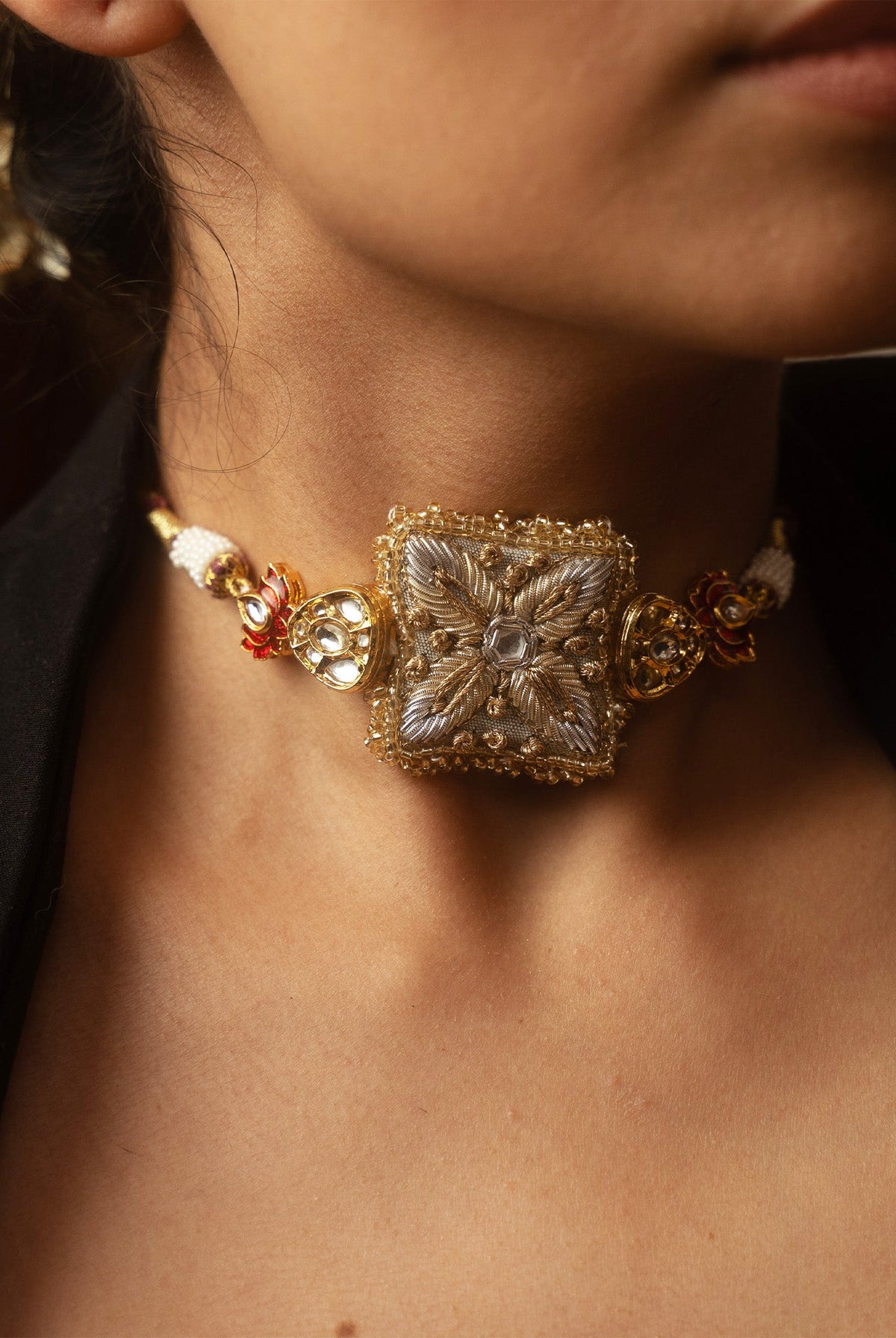
There is something interesting about taking a craft traditionally seen on a garment and making it the jewellery itself.
That is what caught our attention about Moirra.
Zardozi has been part of the Indian craft vocabulary for centuries. The word comes from the Persian zar, meaning gold, and dozi, meaning embroidery. Traditionally, it refers to raised embroidery using metal threads and wires, often worked with techniques such as dabka and naqshi, and combined with zari, beads, mirrors and other embellishments.
It has historically been associated with royal and ceremonial textiles. Moirra takes this very textile-led craft and moves it onto the body.
Zardozi, but as jewellery
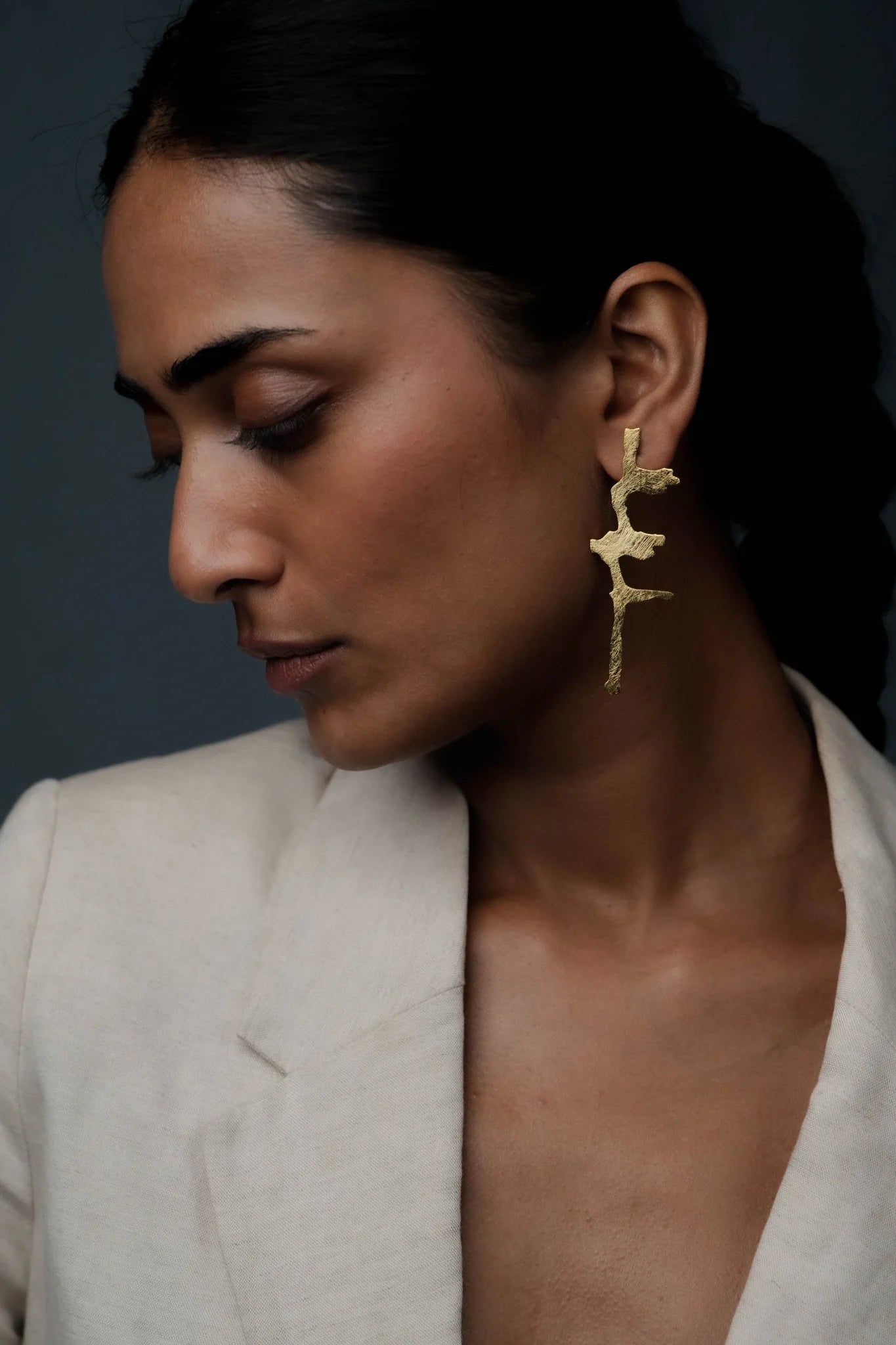
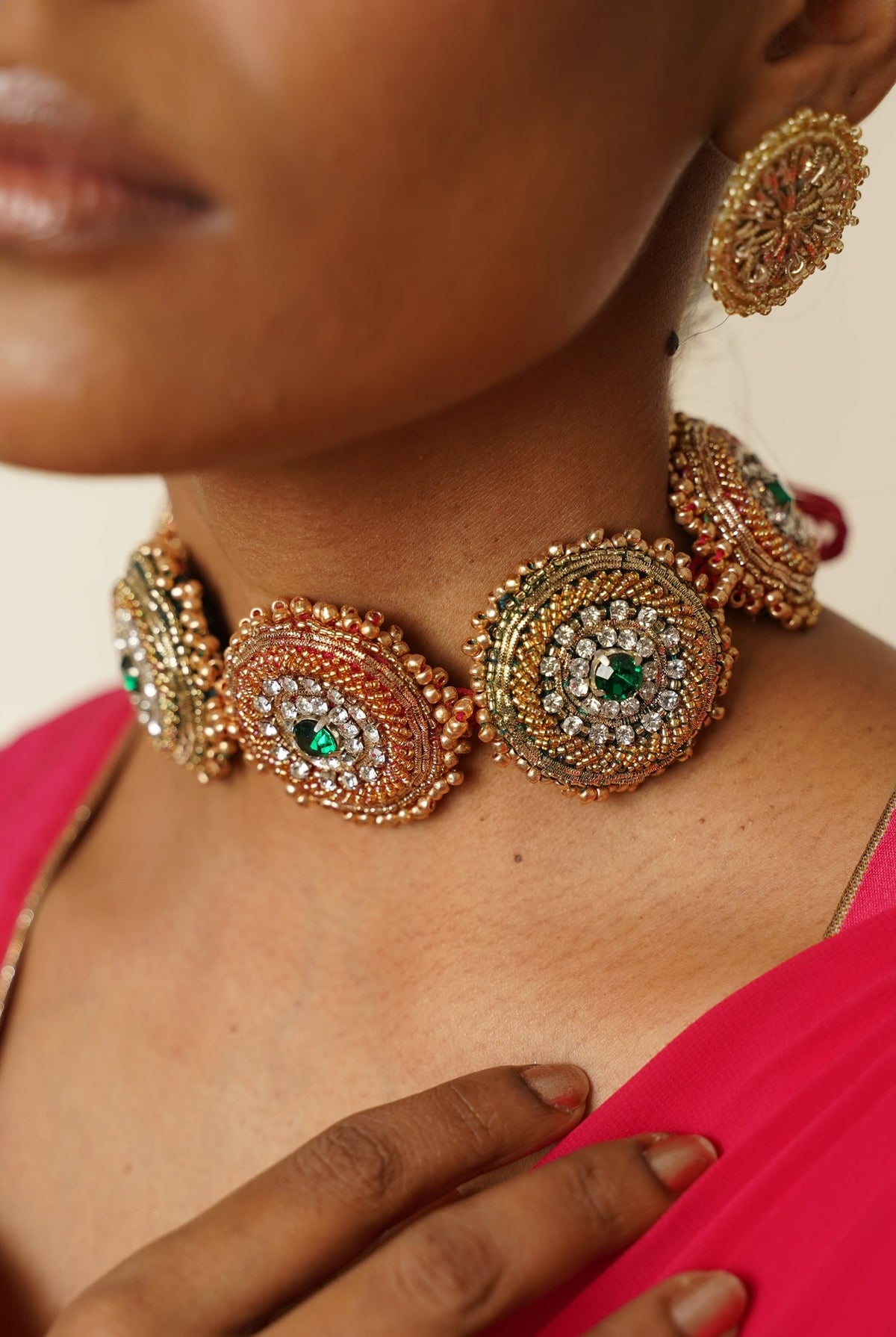
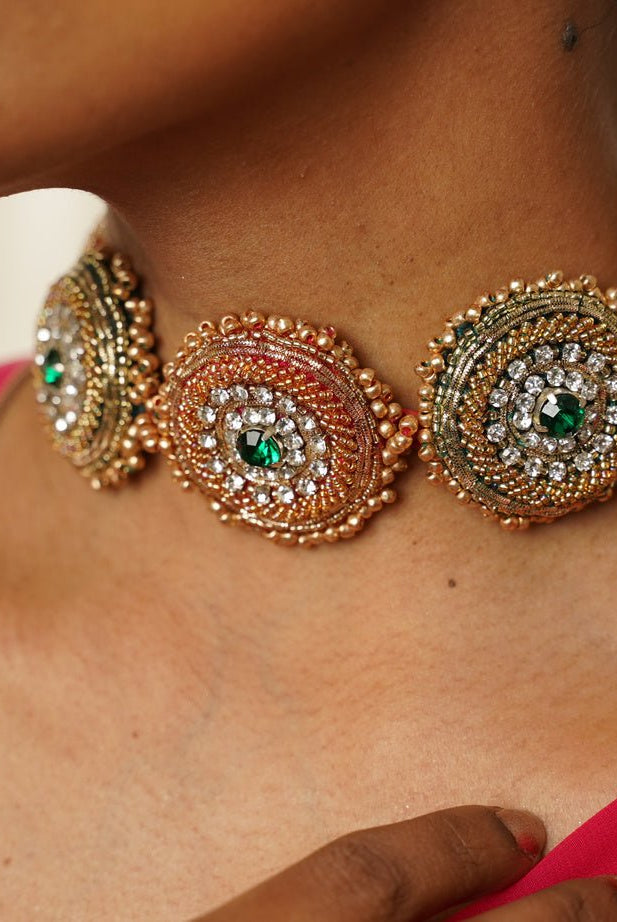
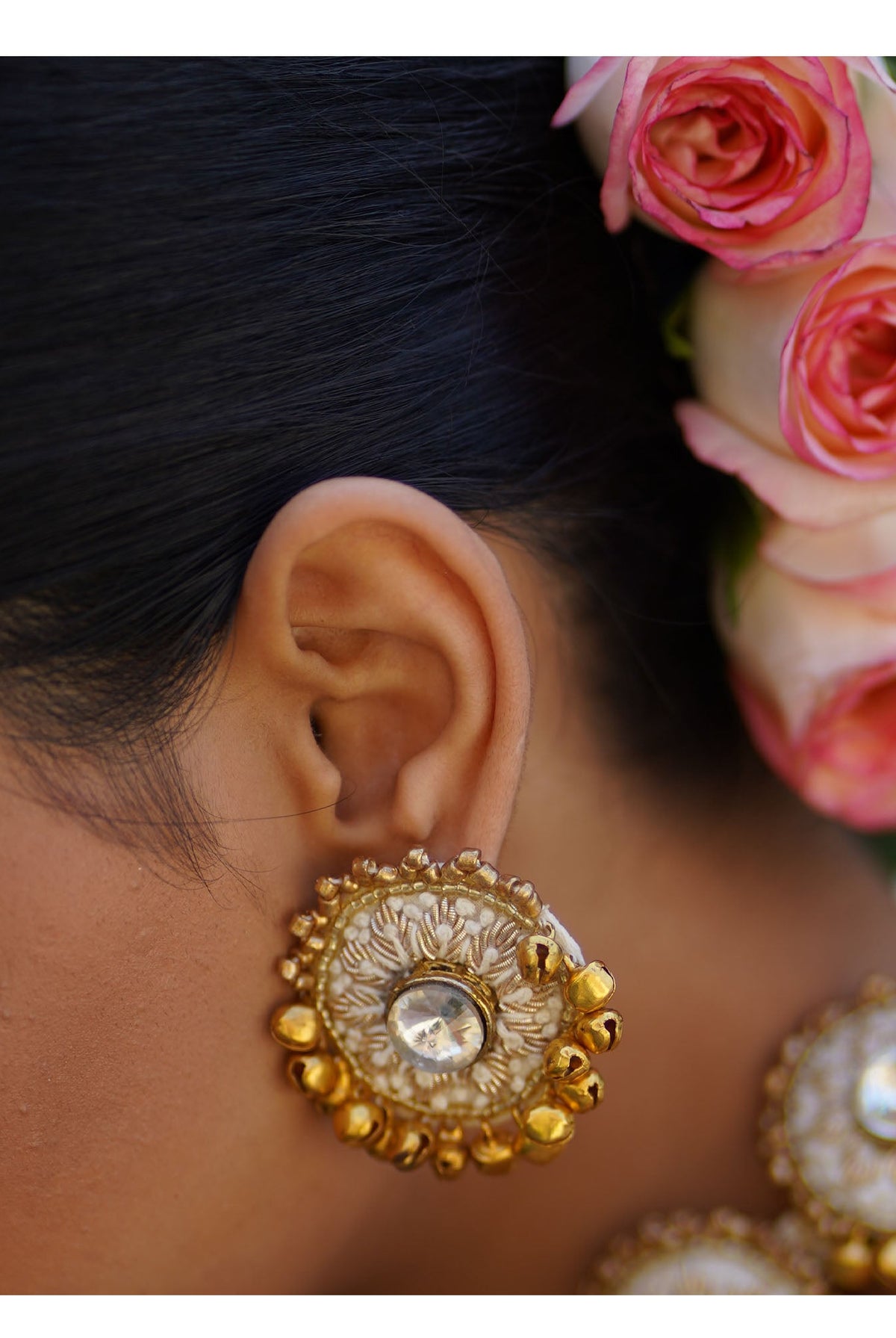
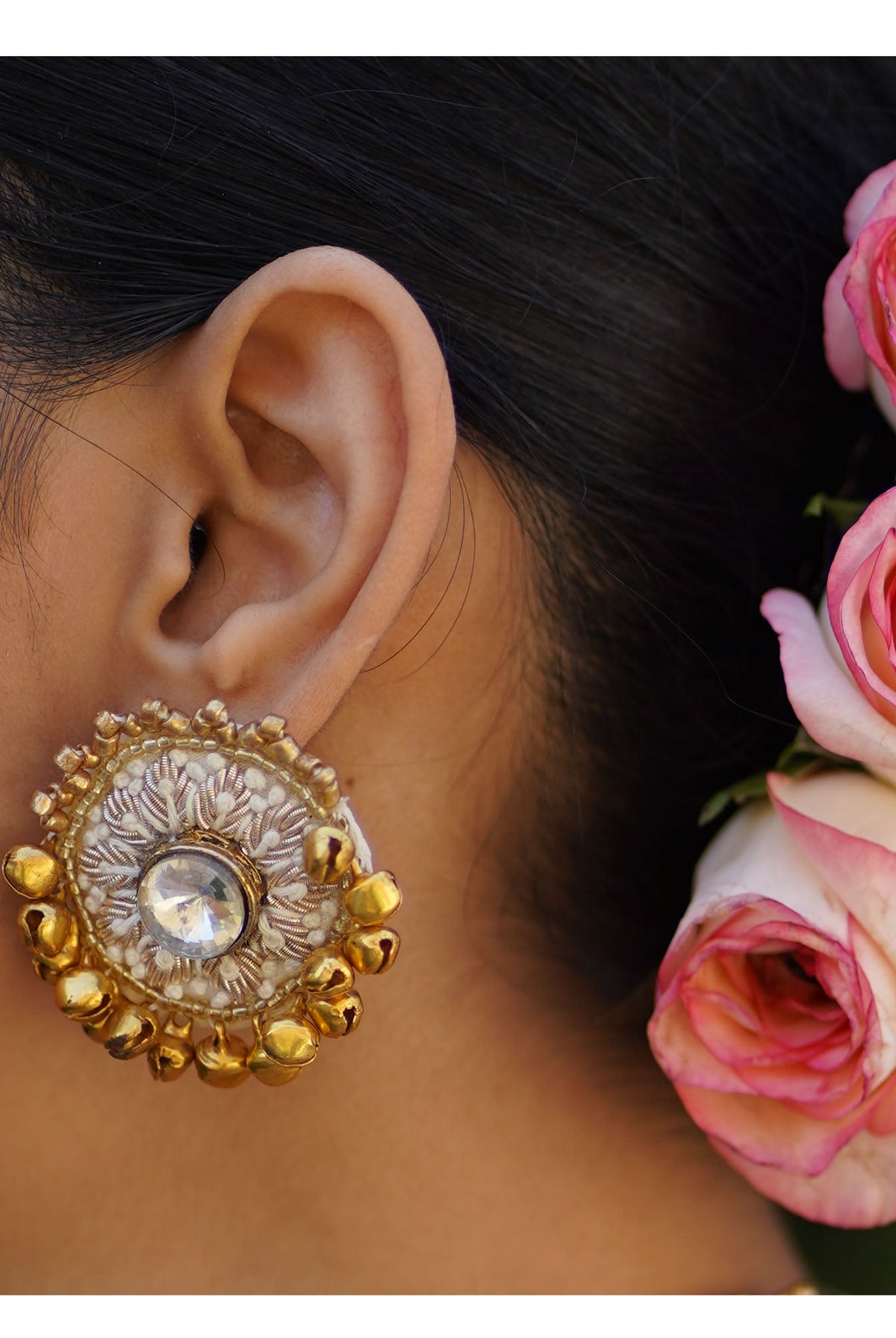
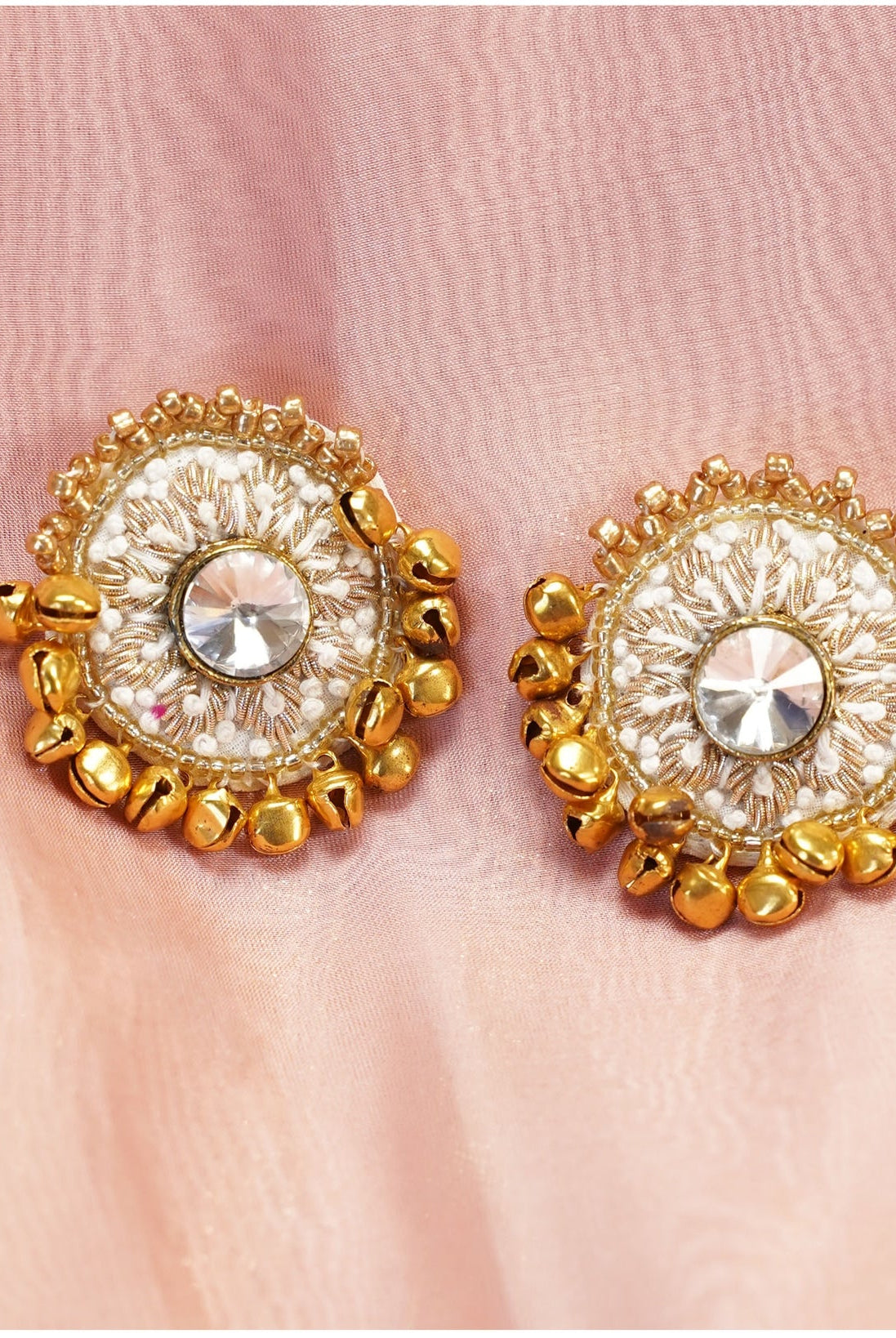
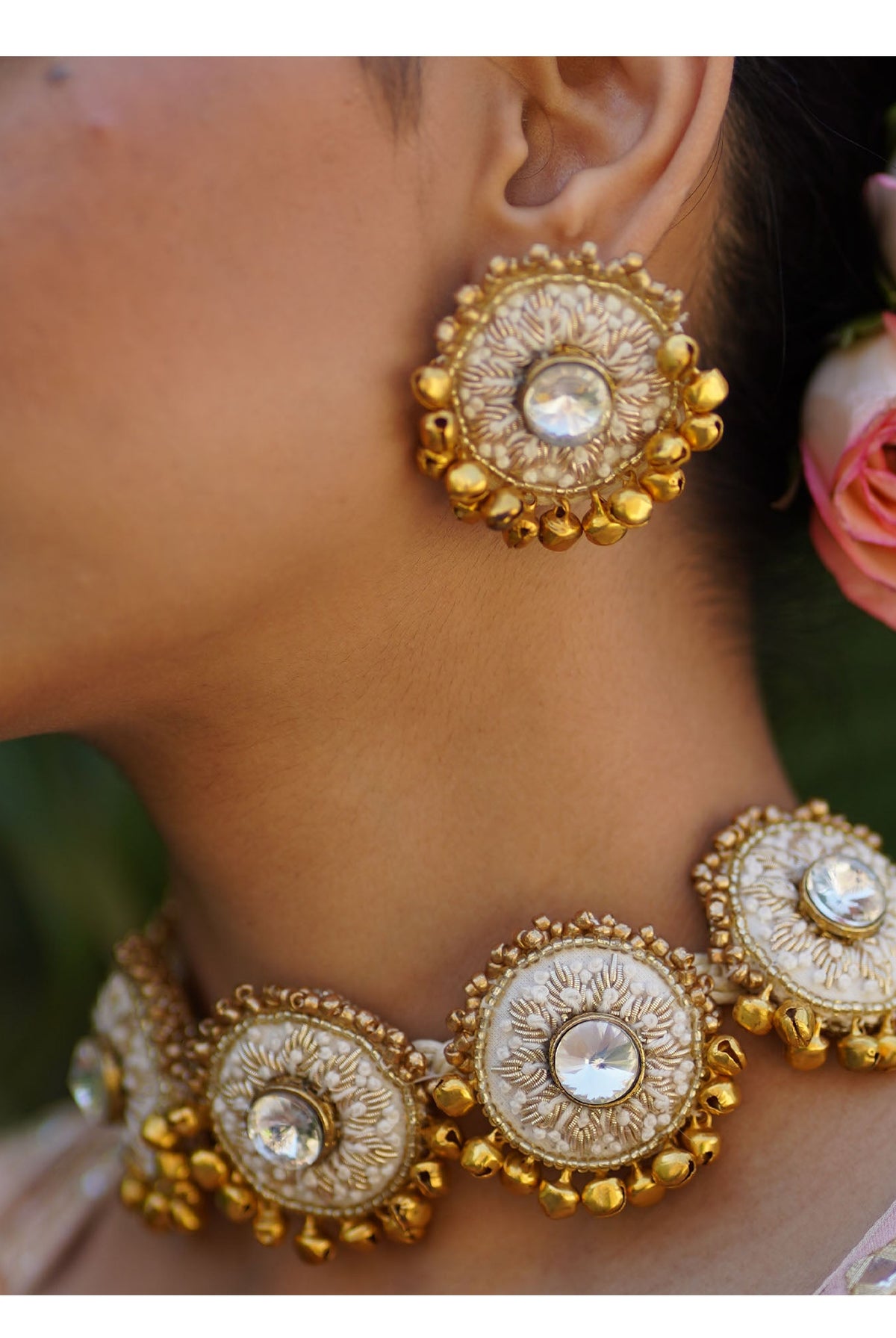
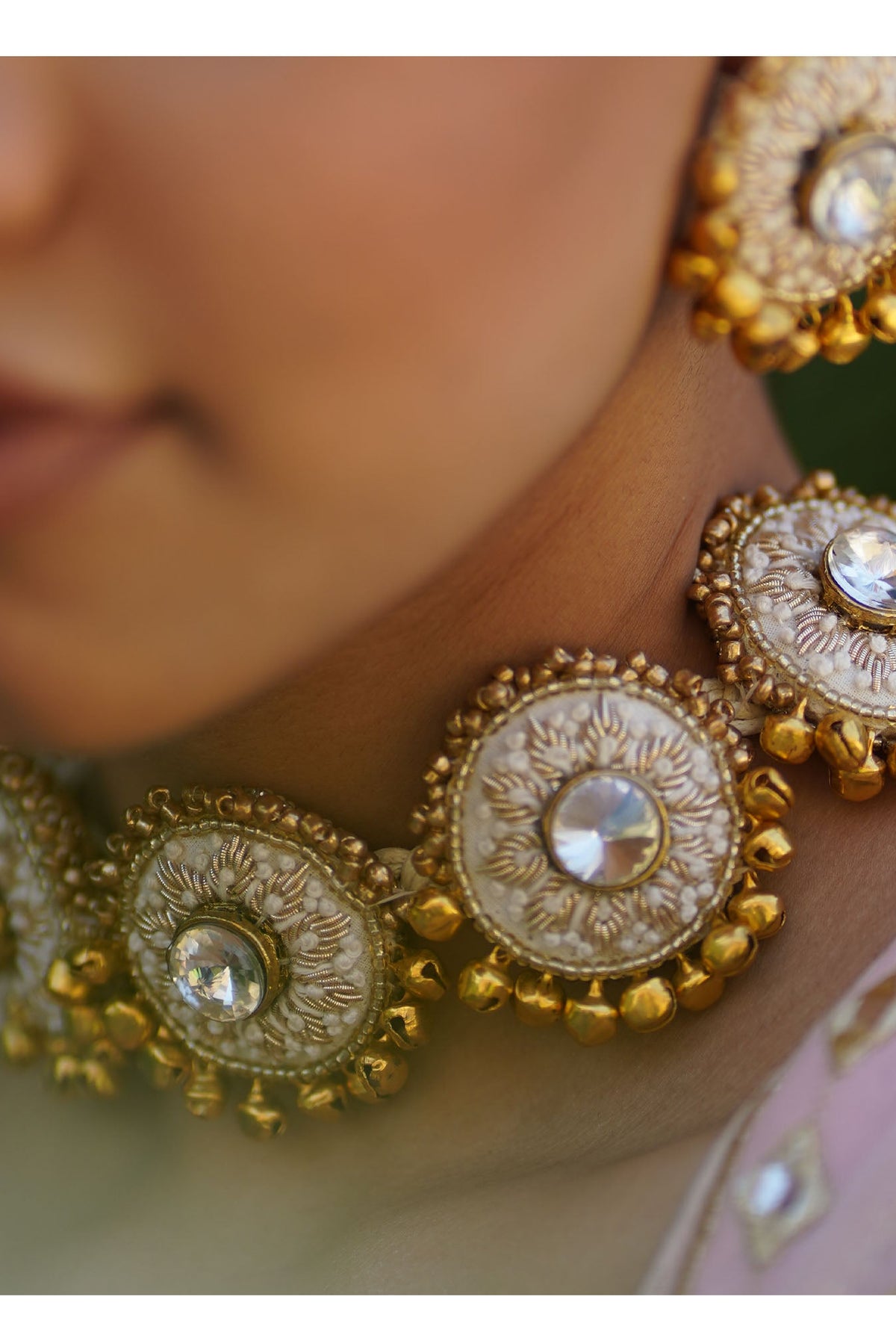
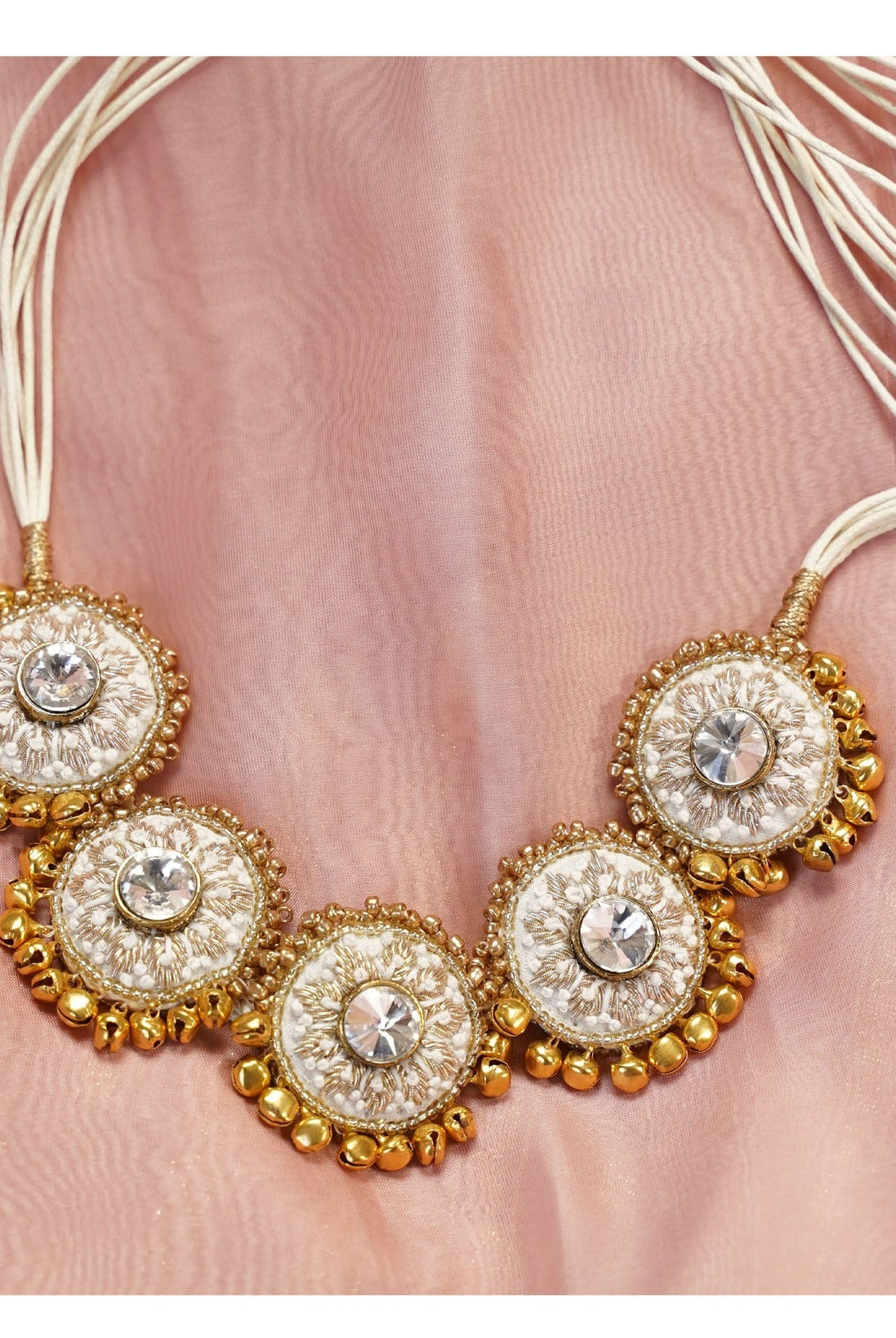
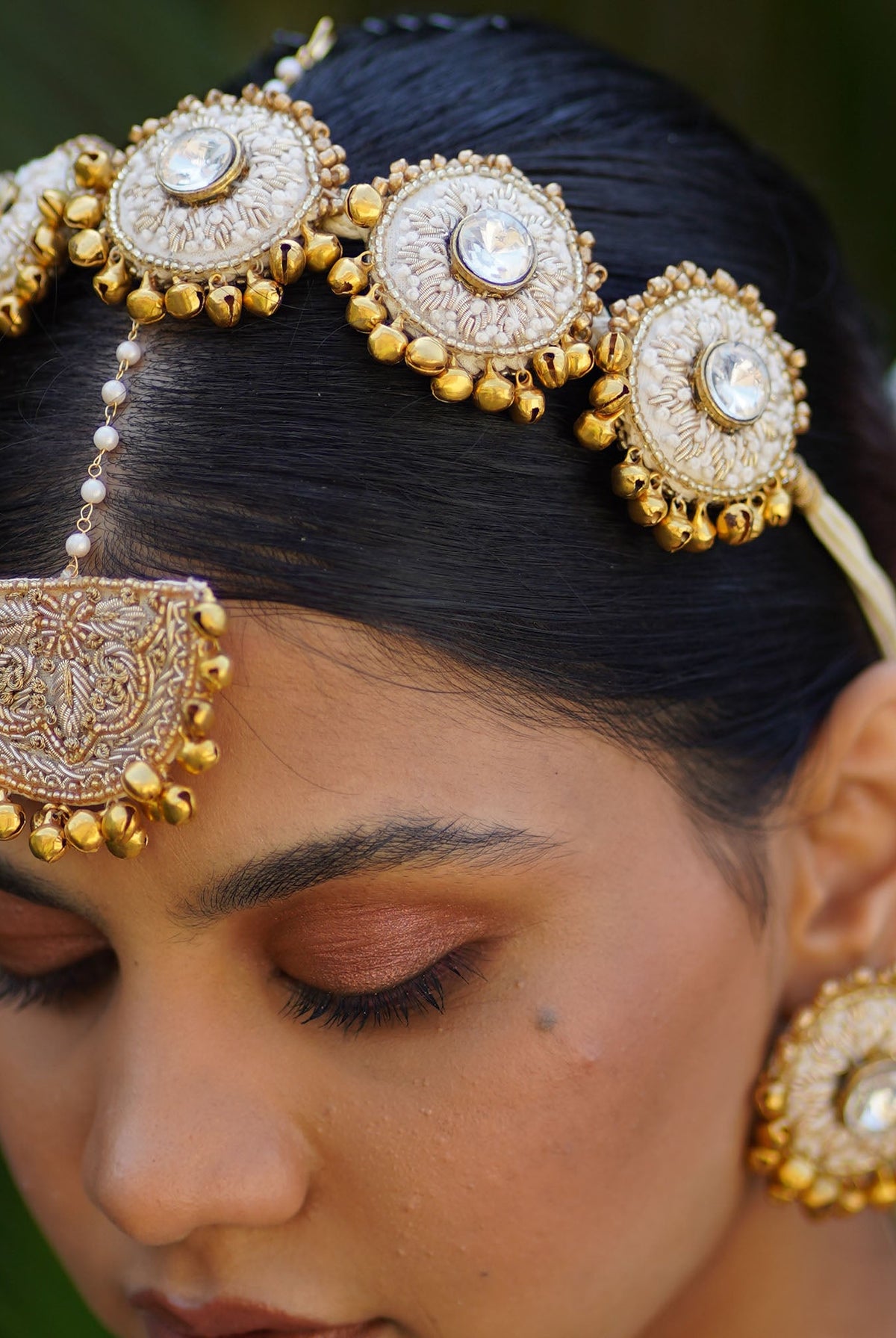
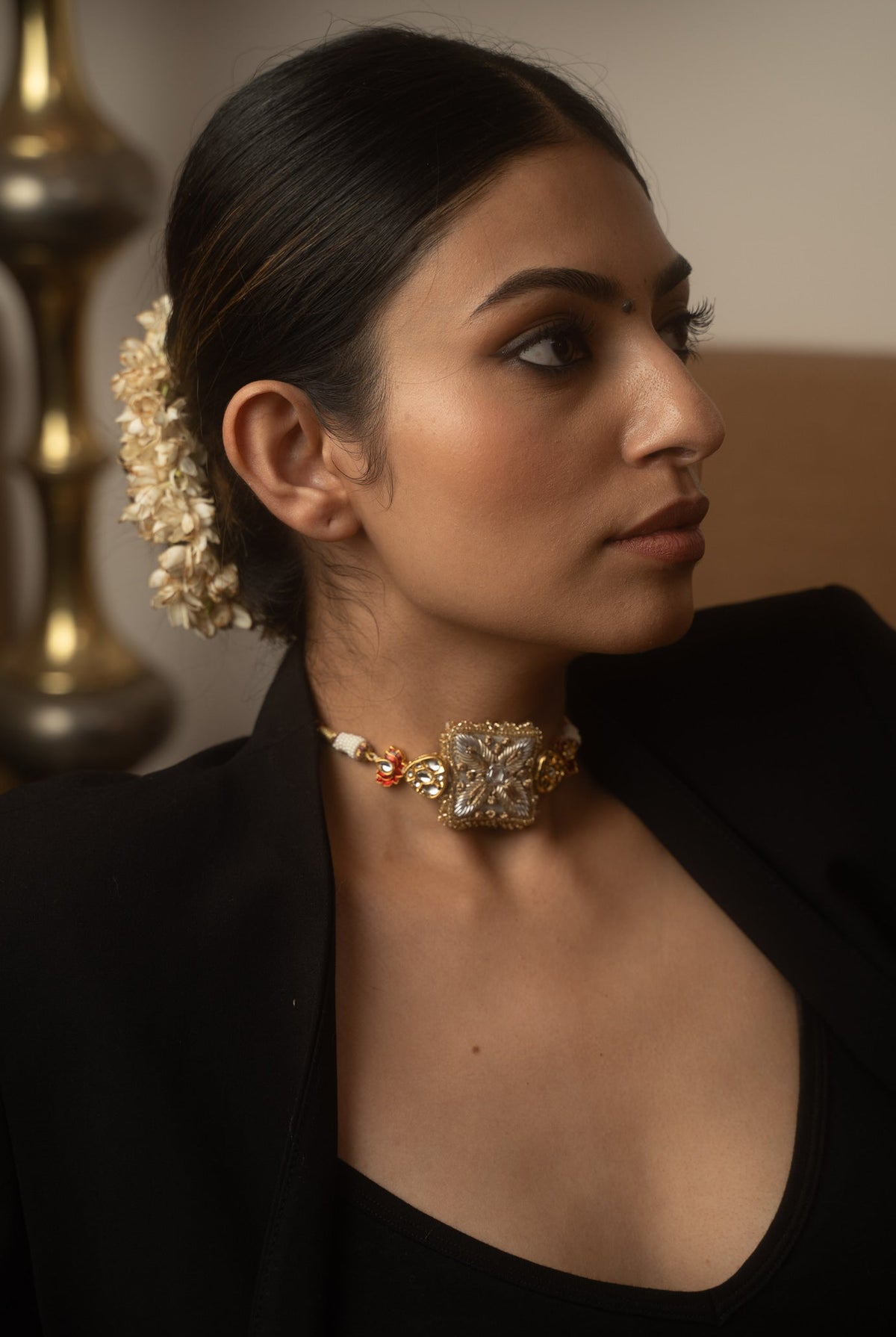
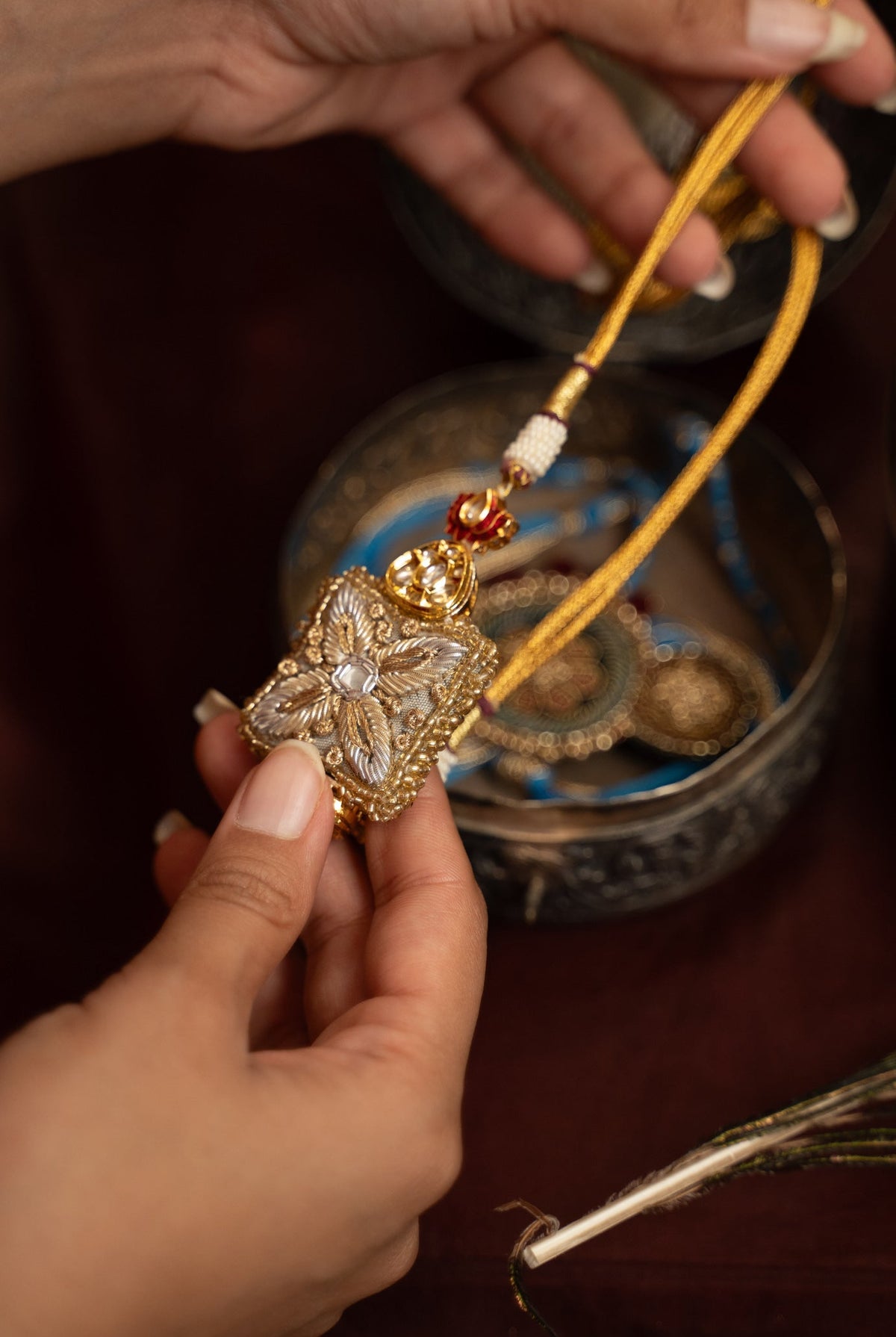
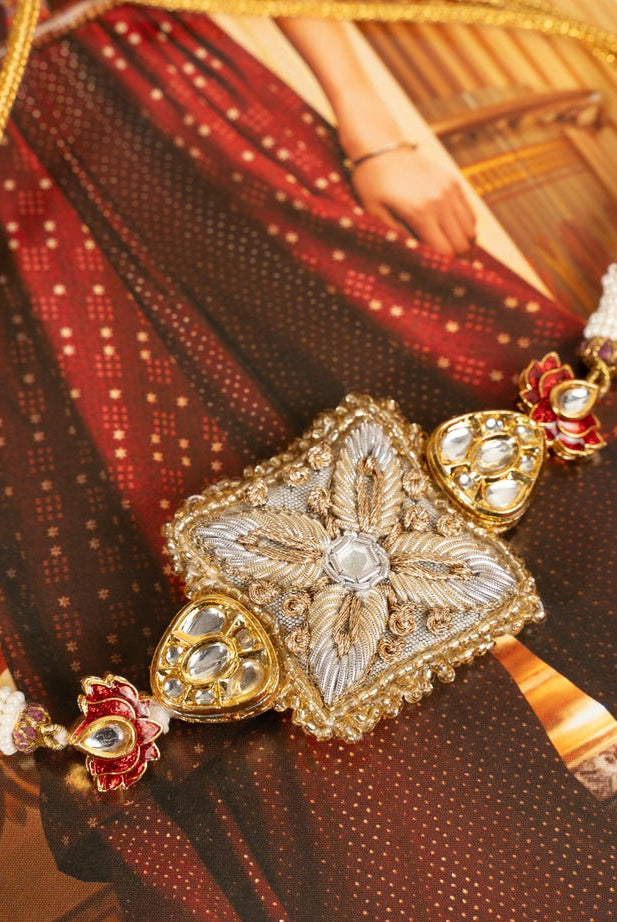
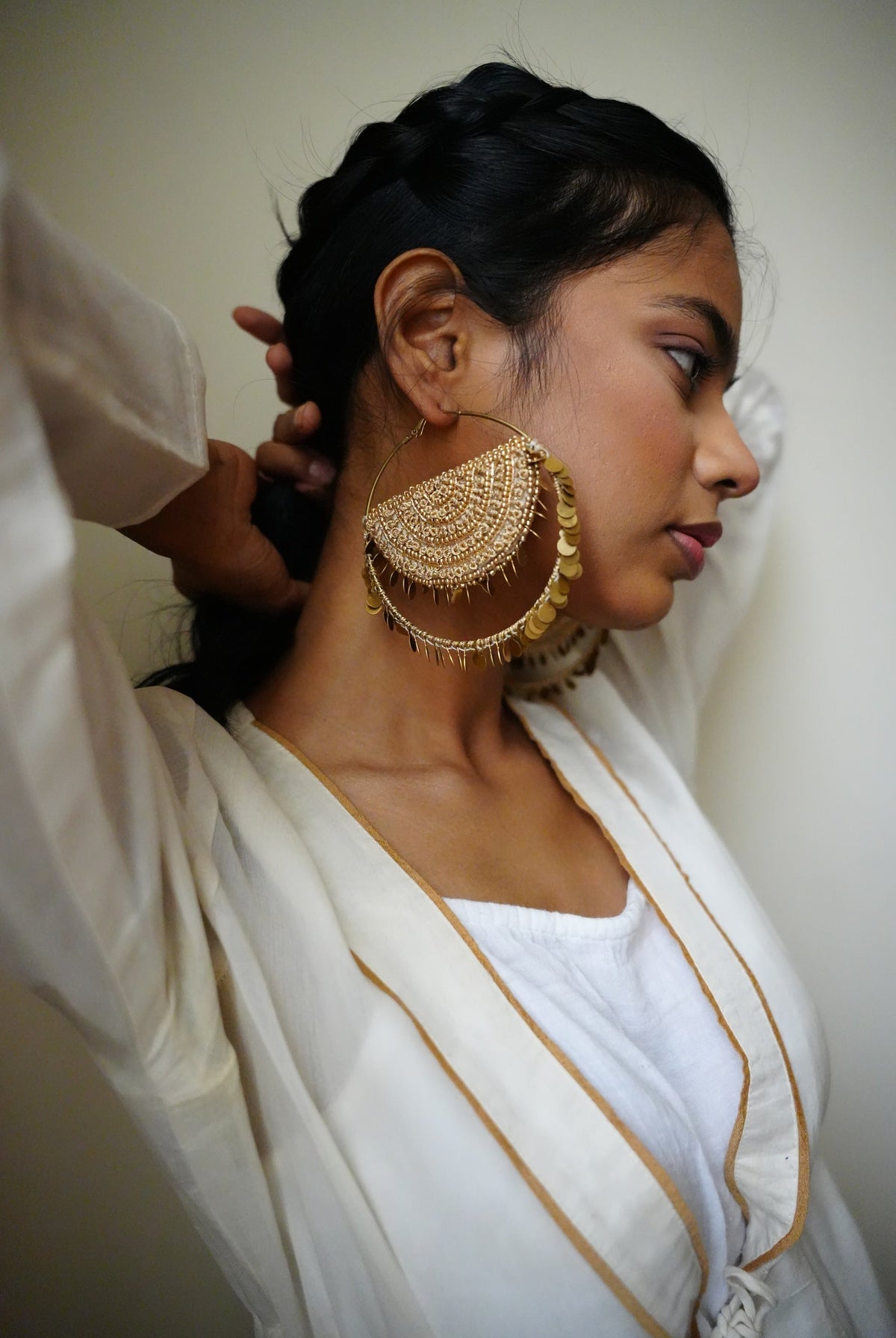
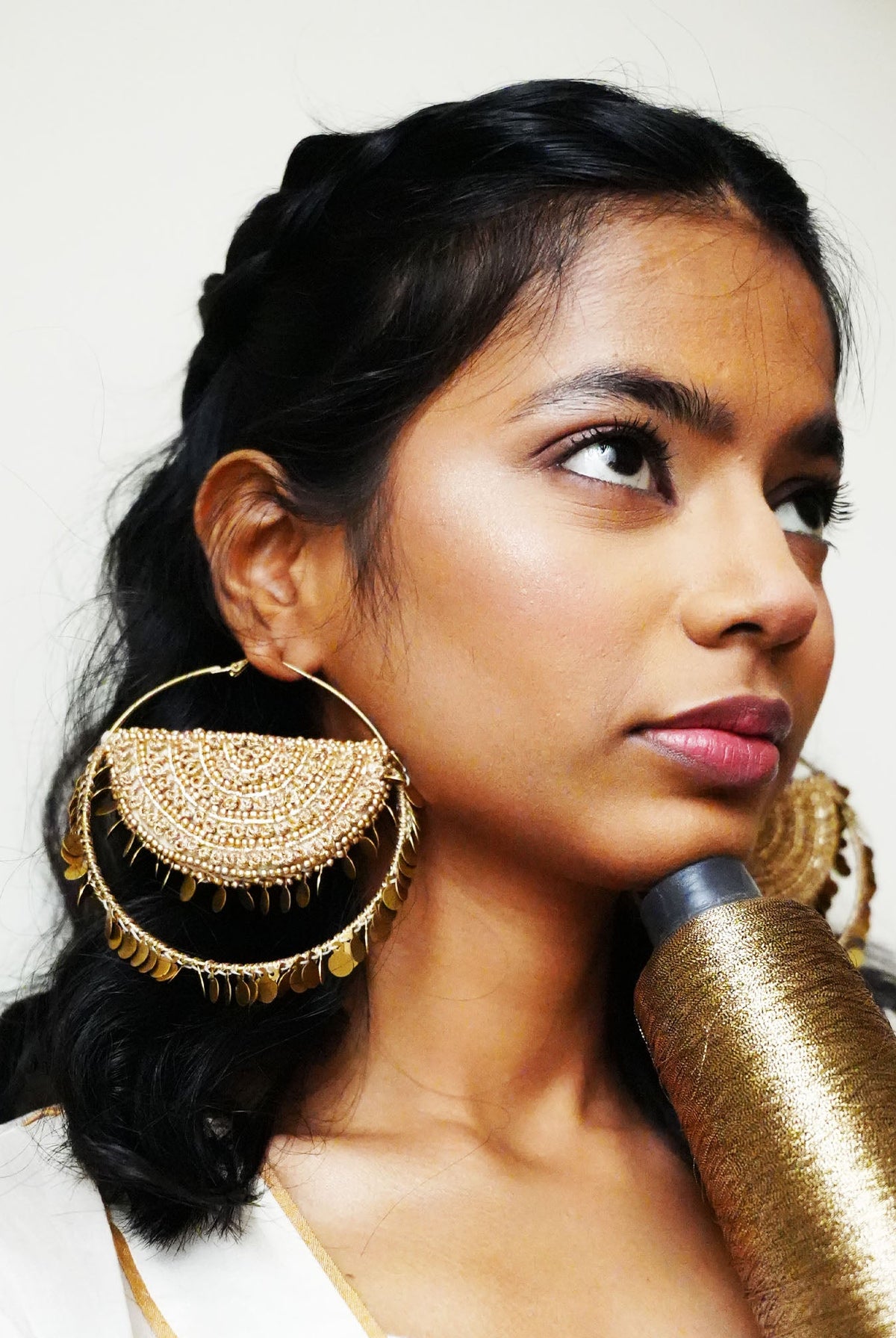
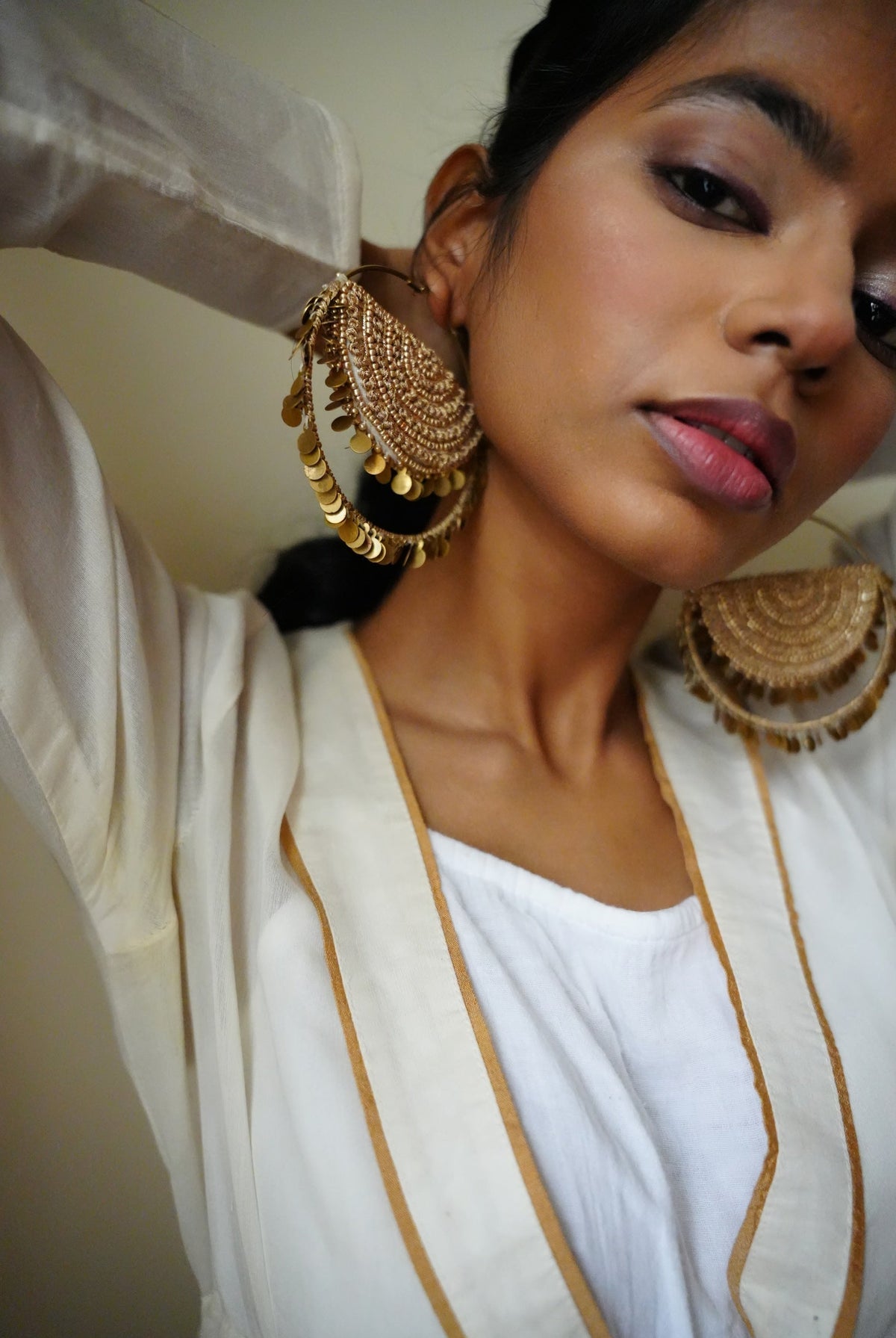
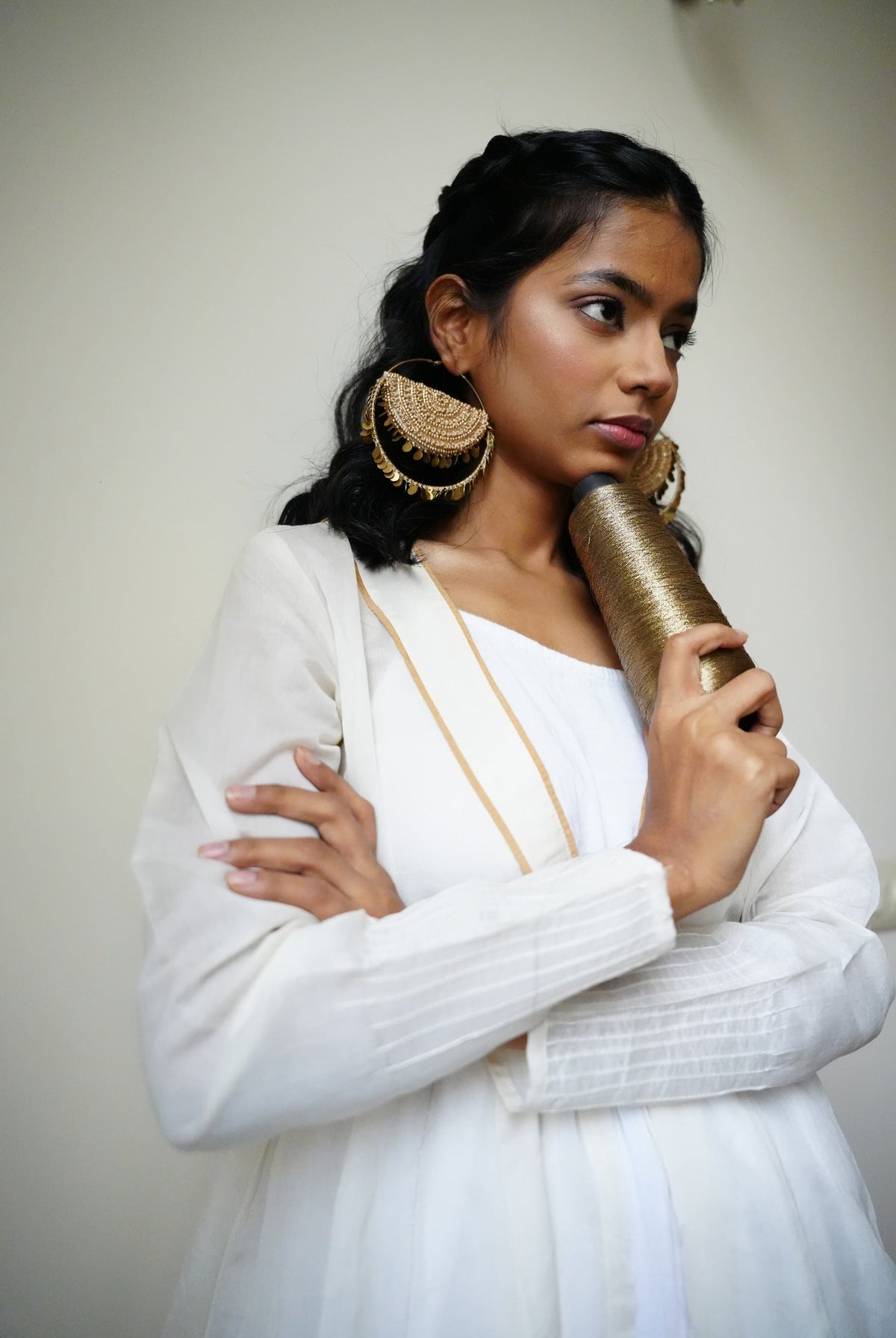
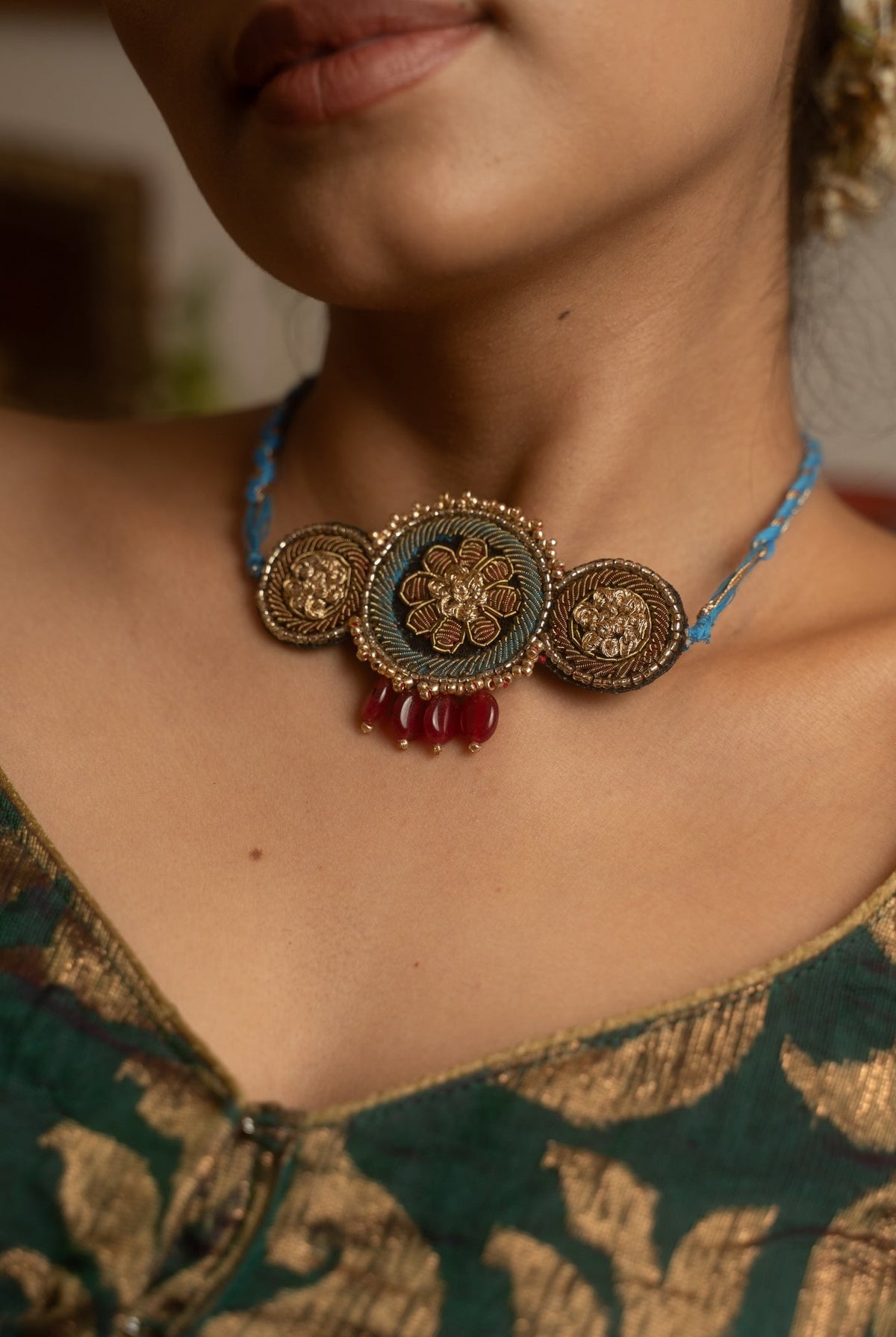
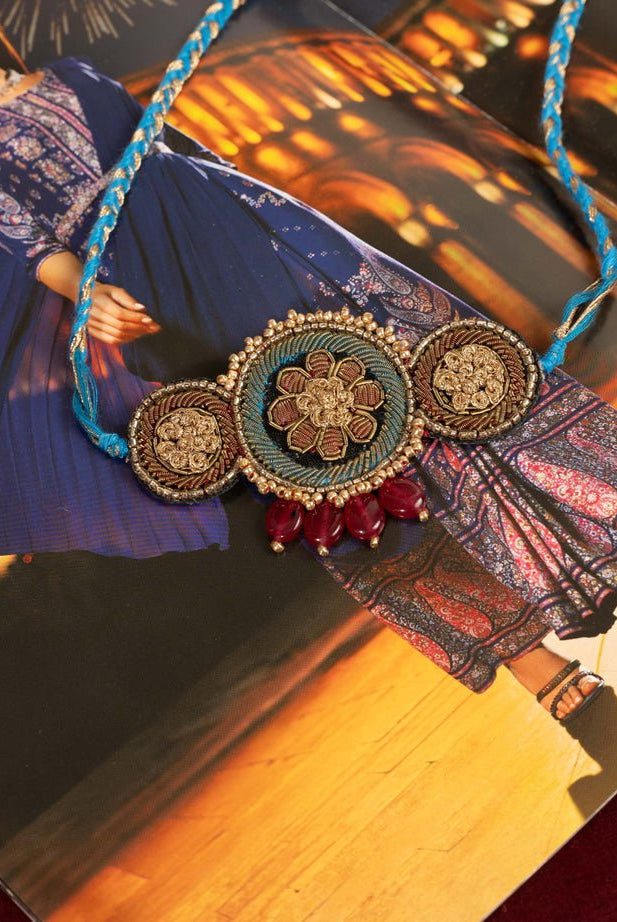
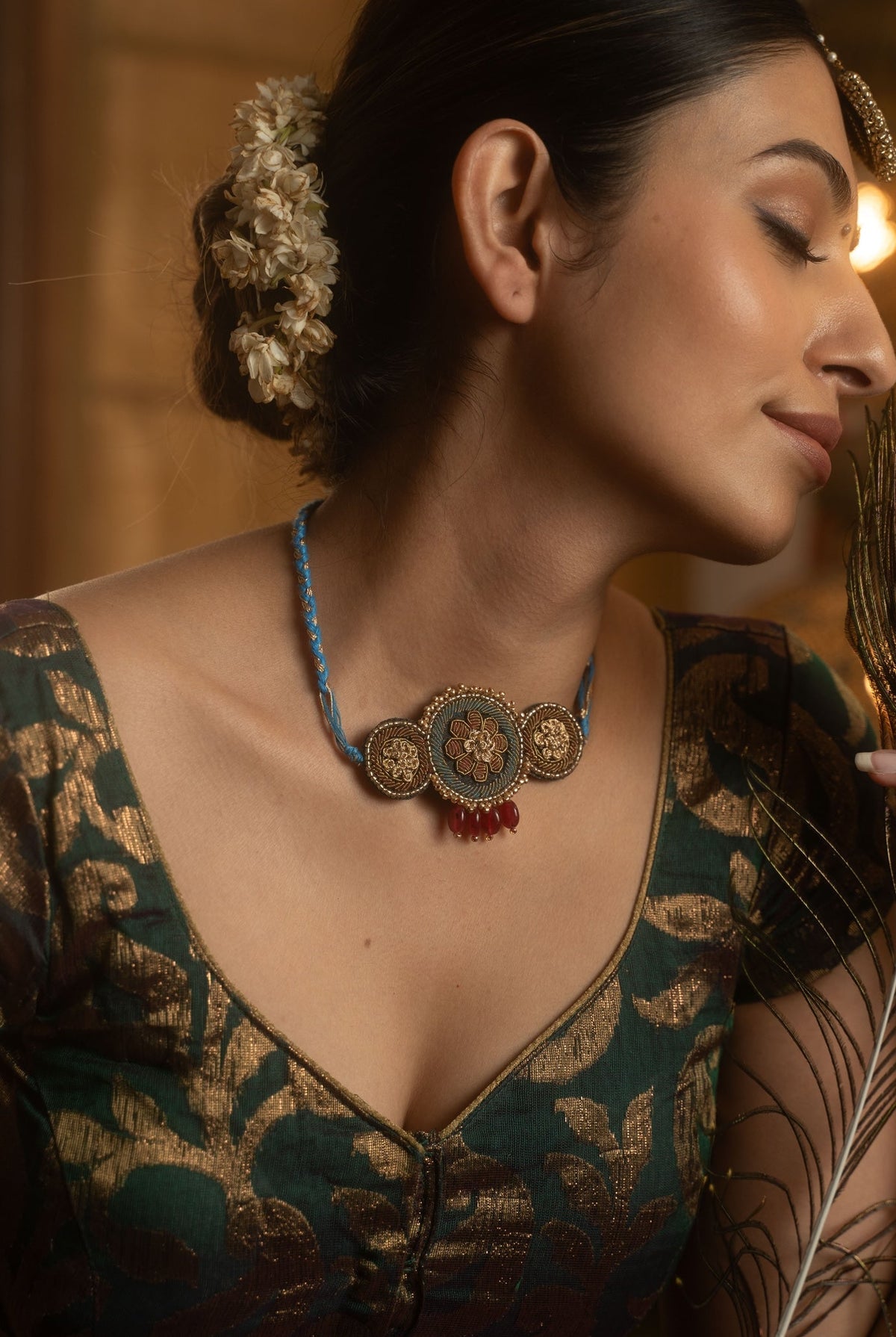
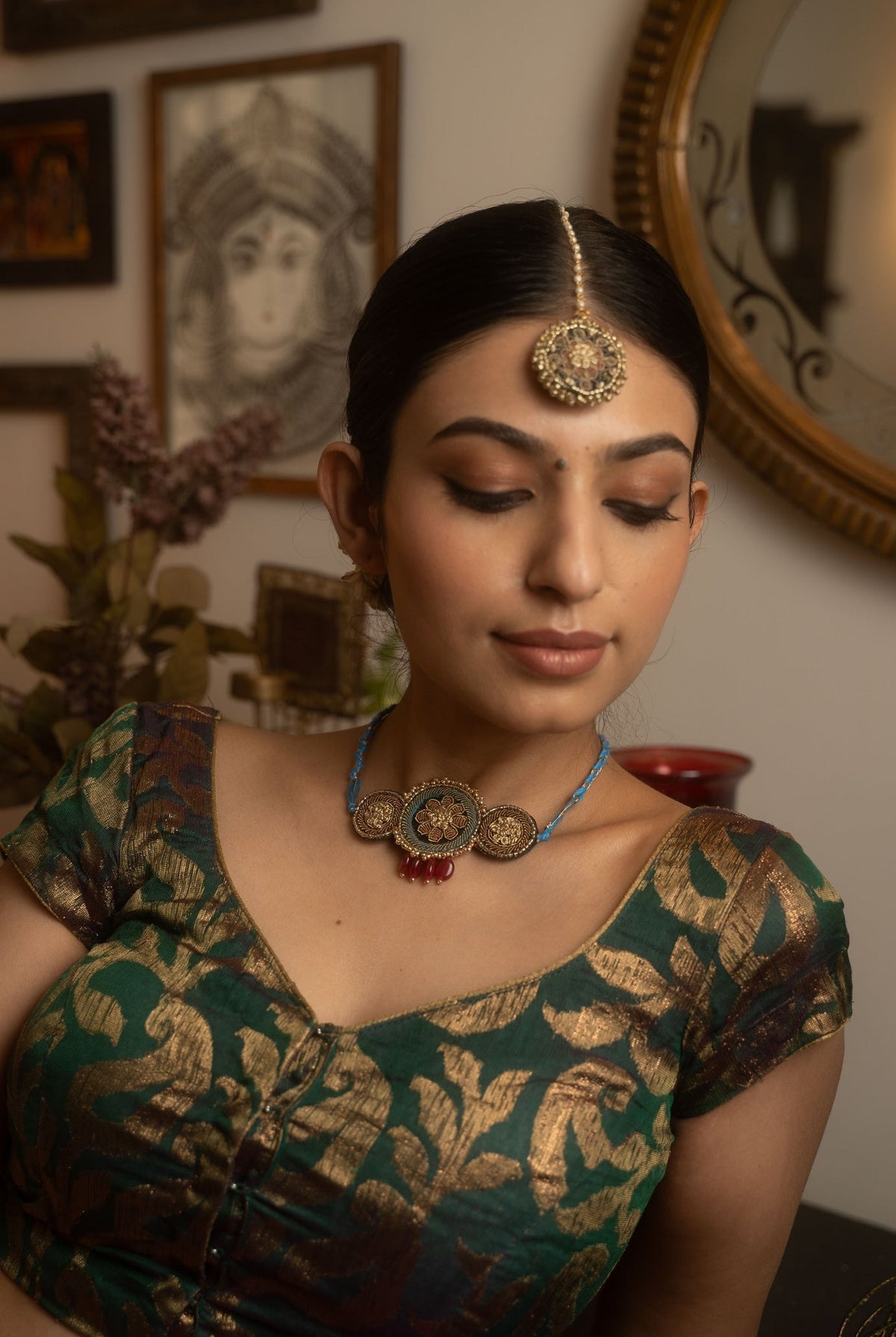
Moirra’s necklaces, chokers, earrings and statement pieces bring together the texture and detail of zardozi with colour, embroidery, mirrors, beads and metallic elements.
The result doesn't quite look like conventional jewellery. It has the surface, depth and irregularity of handwork, which is what makes each piece feel individual.
And that is perhaps the point.
Rather than using zardozi simply to embellish a lehenga, sari or blouse, Moirra makes the craft the focal point.
For the wedding wardrobe
This is jewellery that can move through the wedding calendar.
A statement choker for the bride. Earrings for the bridesmaid. Something lighter for a Haldi or Mehendi. A dramatic piece with a sari or contemporary Indian look for a destination wedding.
It also gives brides an option beyond the familiar language of gold, diamonds and traditional bridal sets. The jewellery can be the unexpected element in an otherwise familiar look.
And unlike jewellery bought specifically for one wedding function, these pieces can find their way back into the wardrobe.
And then there is Pujo and Diwali
Zardozi doesn't have to wait for a wedding.
Pair a Moirra piece with a sari for Pujo, wear statement earrings with a kurta for Diwali, or let one embroidered necklace become the focus of a festive outfit.
For us, that is what makes the collection interesting — it takes a craft with a very specific traditional association and gives it another context.
Zardozi, just not where you expect to find it.
Frequently Asked Questions
What is zardozi?
Zardozi is a traditional form of raised embroidery using metallic threads, wires and embellishments. The word comes from the Persian zar (gold) and dozi (embroidery).
What is zardozi jewellery?
Zardozi jewellery translates the techniques and visual language of zardozi embroidery into wearable pieces such as necklaces, chokers and earrings.
What techniques and materials are used in Moirra jewellery?
Moirra pieces incorporate elements such as zardozi, dabka, naqshi, zari, threadwork, mirrors and beads.
Is Moirra jewellery suitable for weddings?
Yes. The pieces can be styled for bridal looks, bridesmaid dressing, Haldi, Mehendi, destination weddings and other wedding celebrations.
Can zardozi jewellery be worn beyond weddings?
Absolutely. Moirra pieces can be paired with saris, kurtas and contemporary Indian clothing for Pujo, Diwali and other festive occasions.