



KHADI
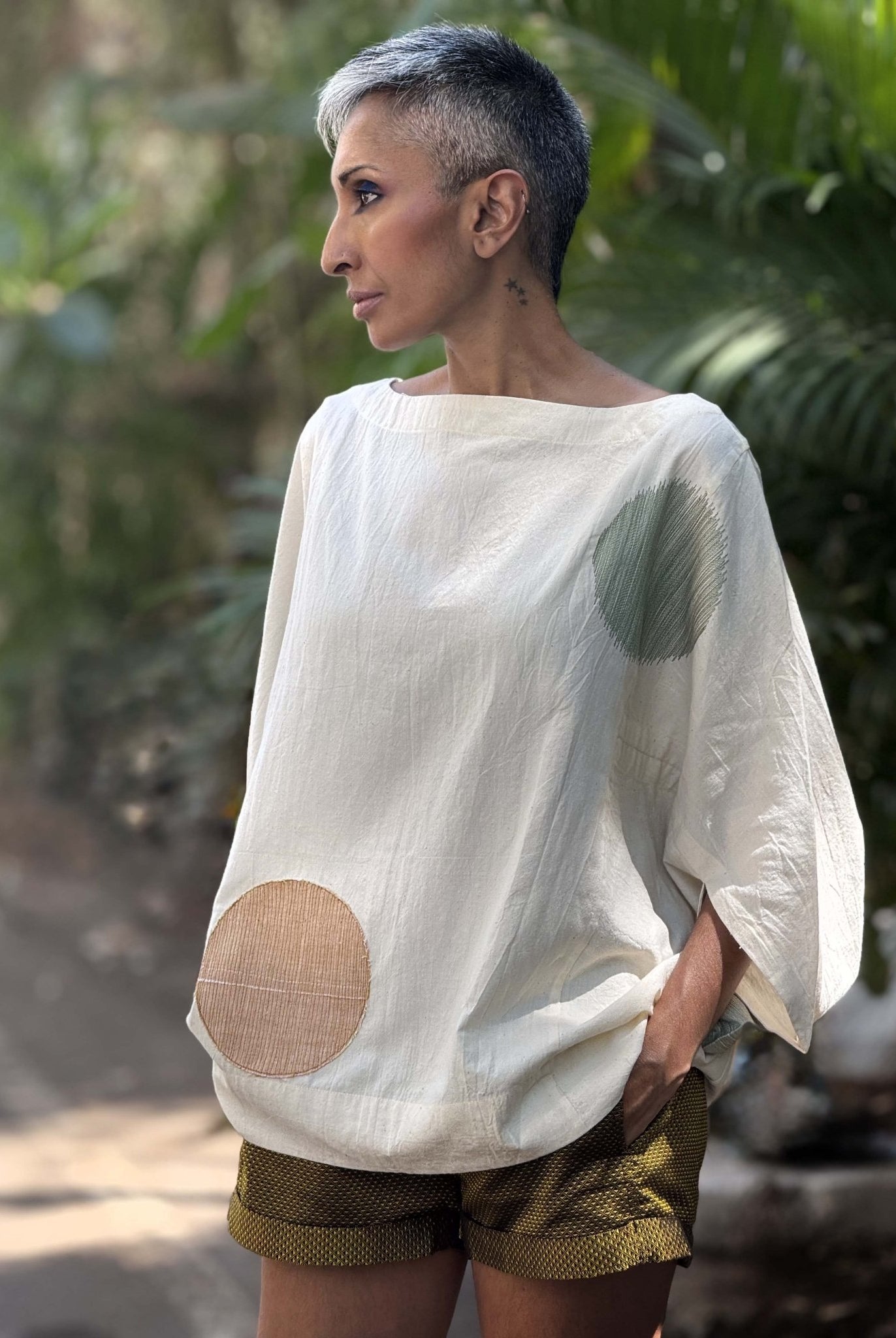
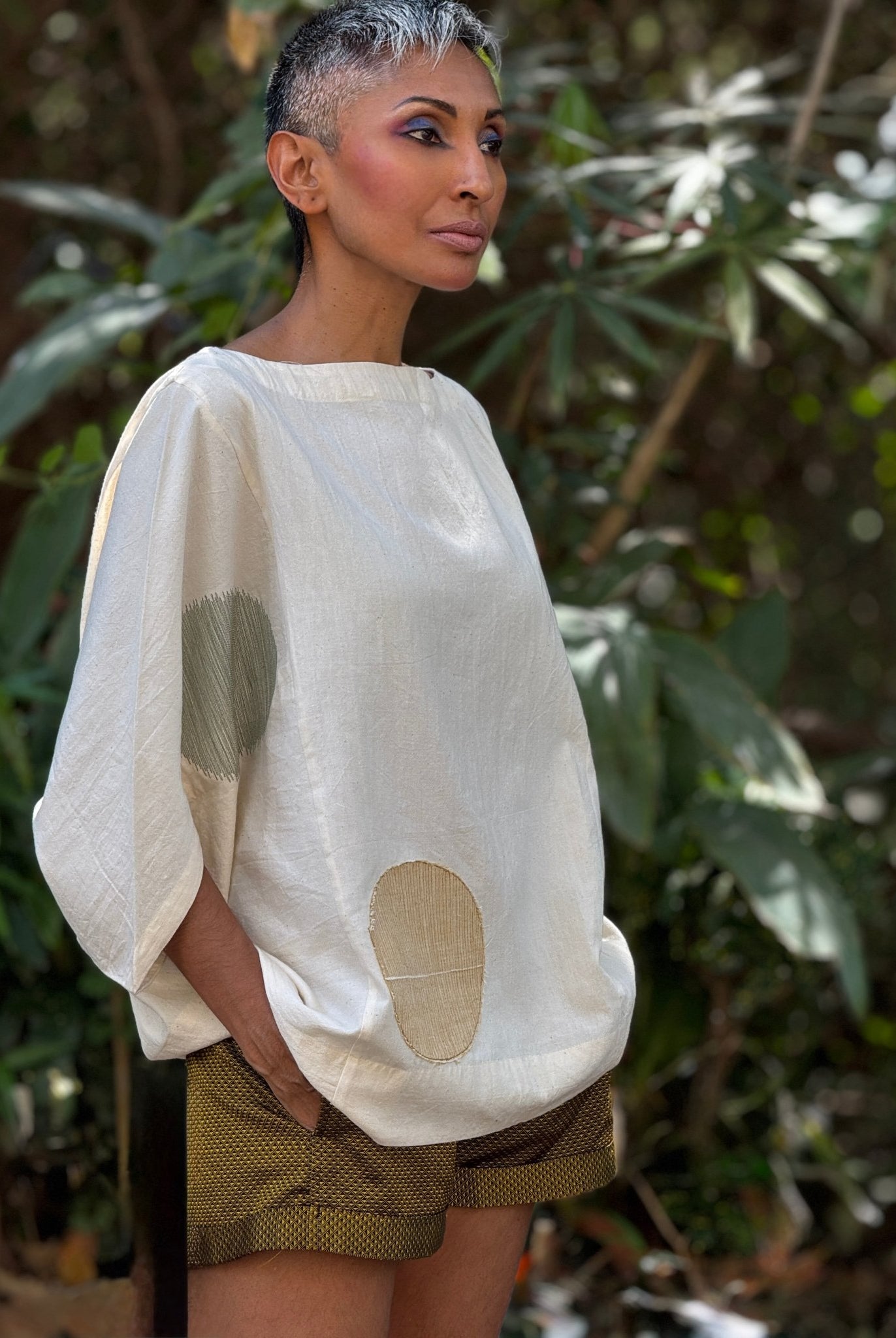
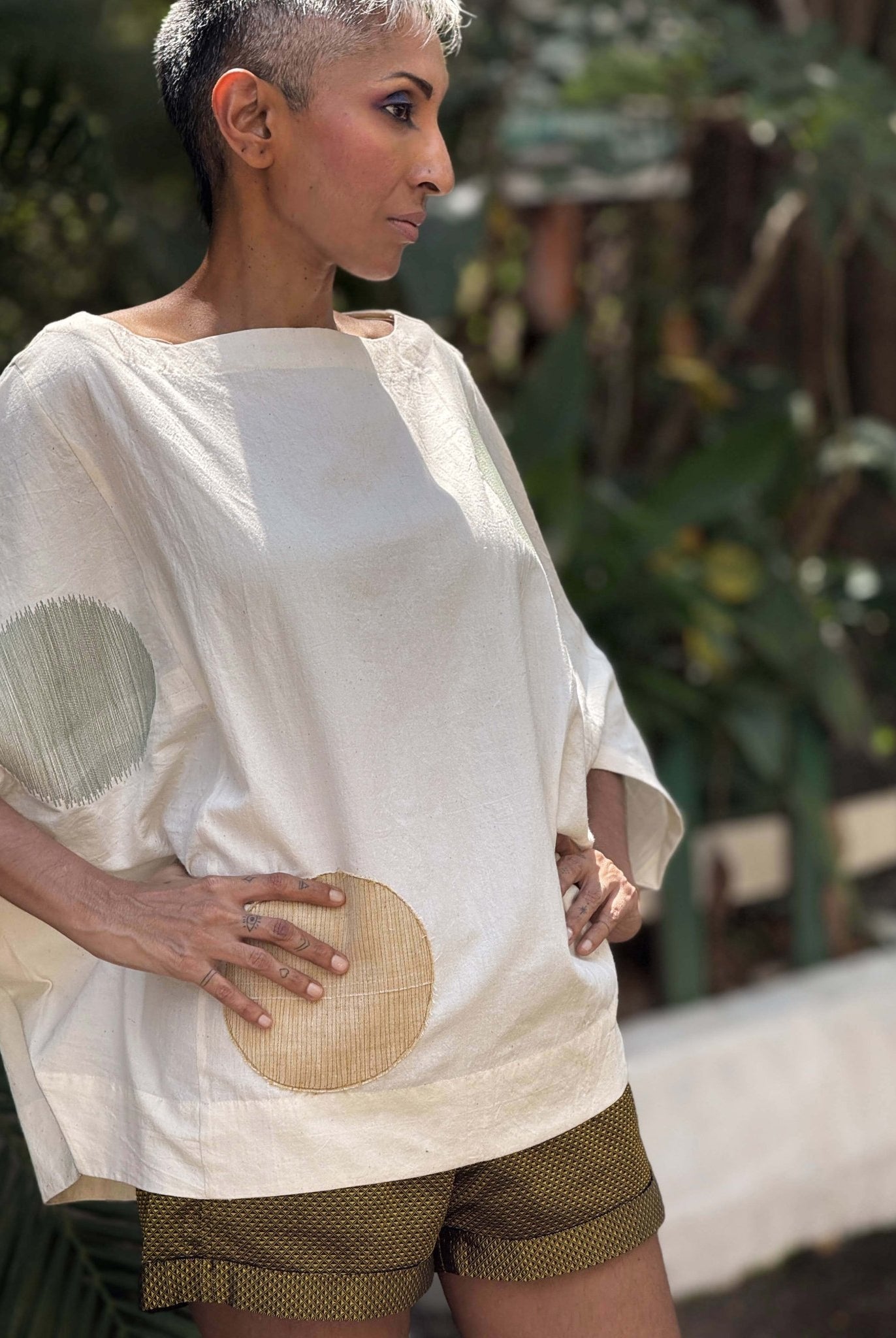






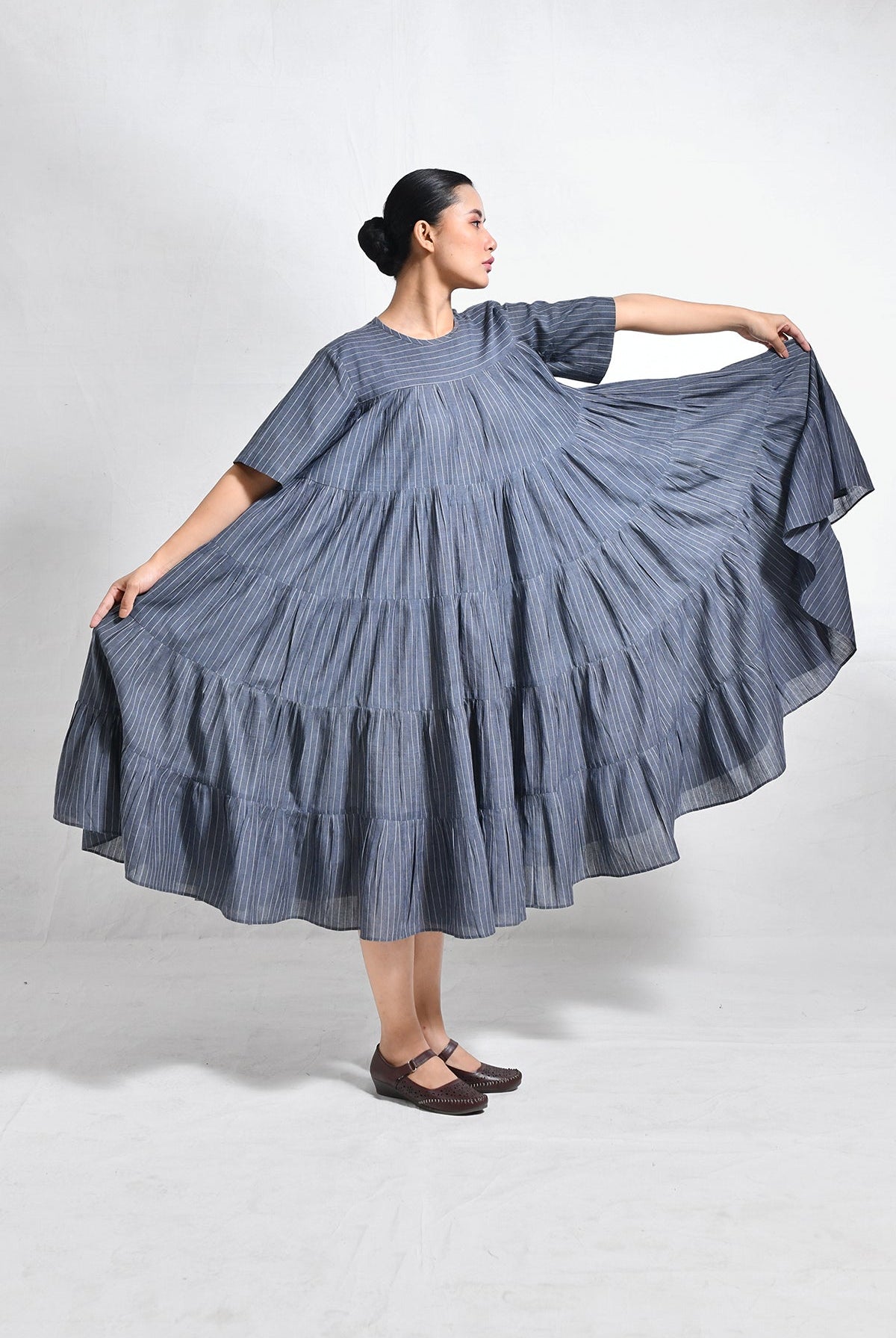
Khadi: Handwoven Indian Cloth, Reimagined
Khadi is more than a fabric. It is one of India’s most recognisable textile traditions, defined by yarn that is hand-spun and cloth that is handwoven. Known for its subtle texture, natural irregularities and breathable character, khadi has long represented the value of handmade Indian textiles.
Its modern history is inseparable from Mahatma Gandhi, who made khadi a powerful symbol of Swadeshi, self-reliance and dignity of labour during India’s freedom movement. Gandhi encouraged Indians to spin, weave and wear their own cloth as a way of supporting local livelihoods and challenging dependence on imported textiles. The charkha became a symbol of this movement, while khadi became closely associated with India's search for economic and political independence.
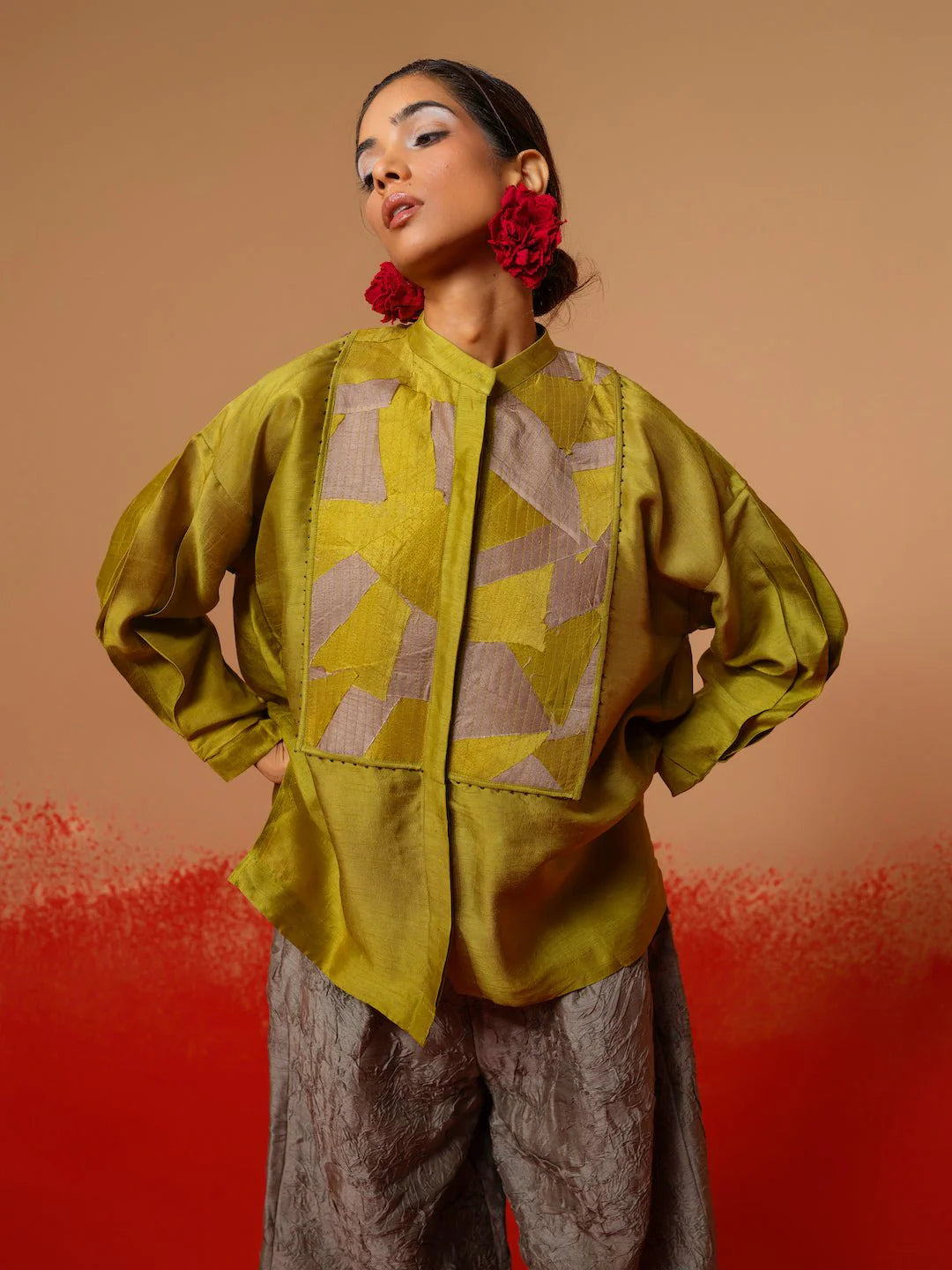
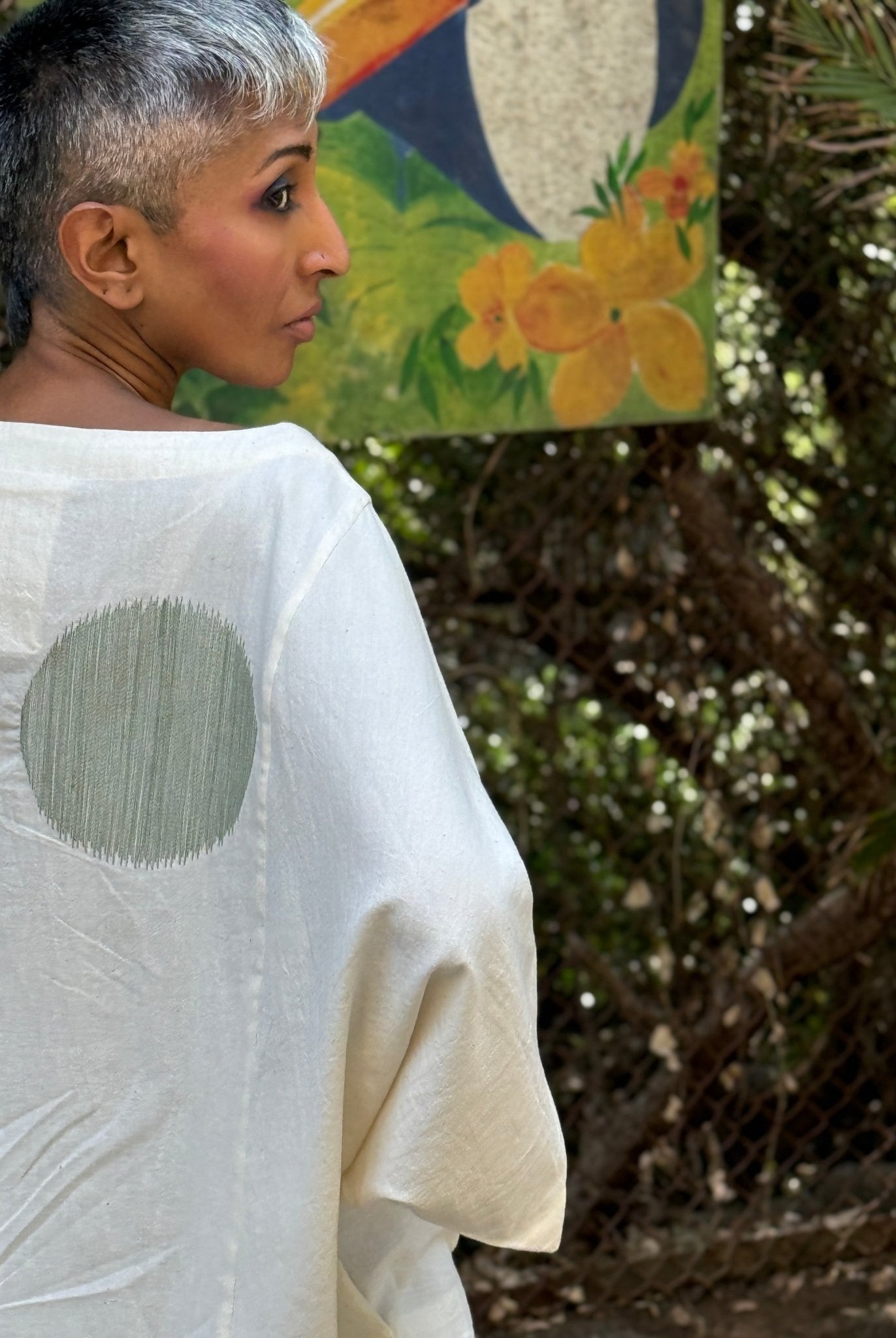
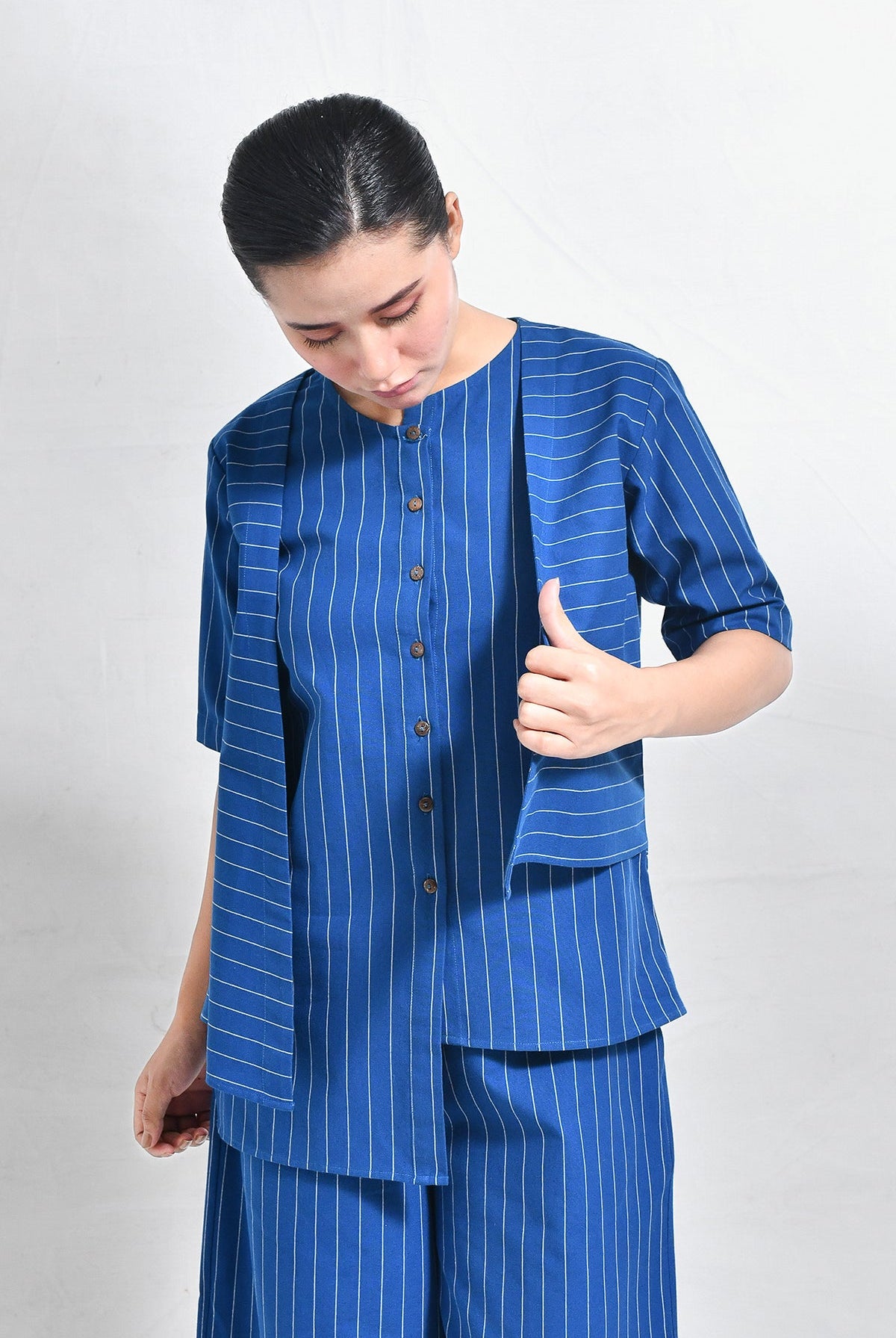
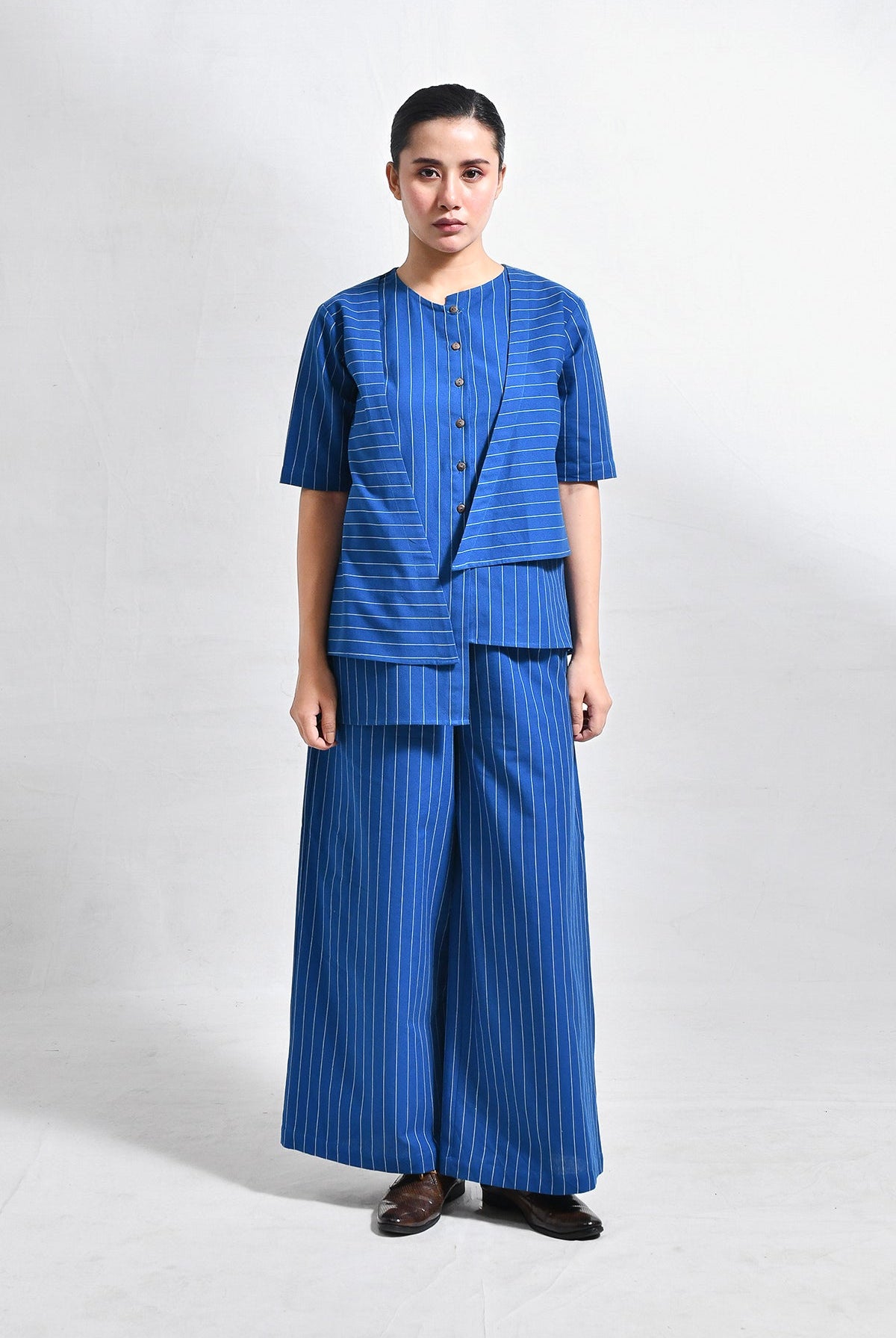
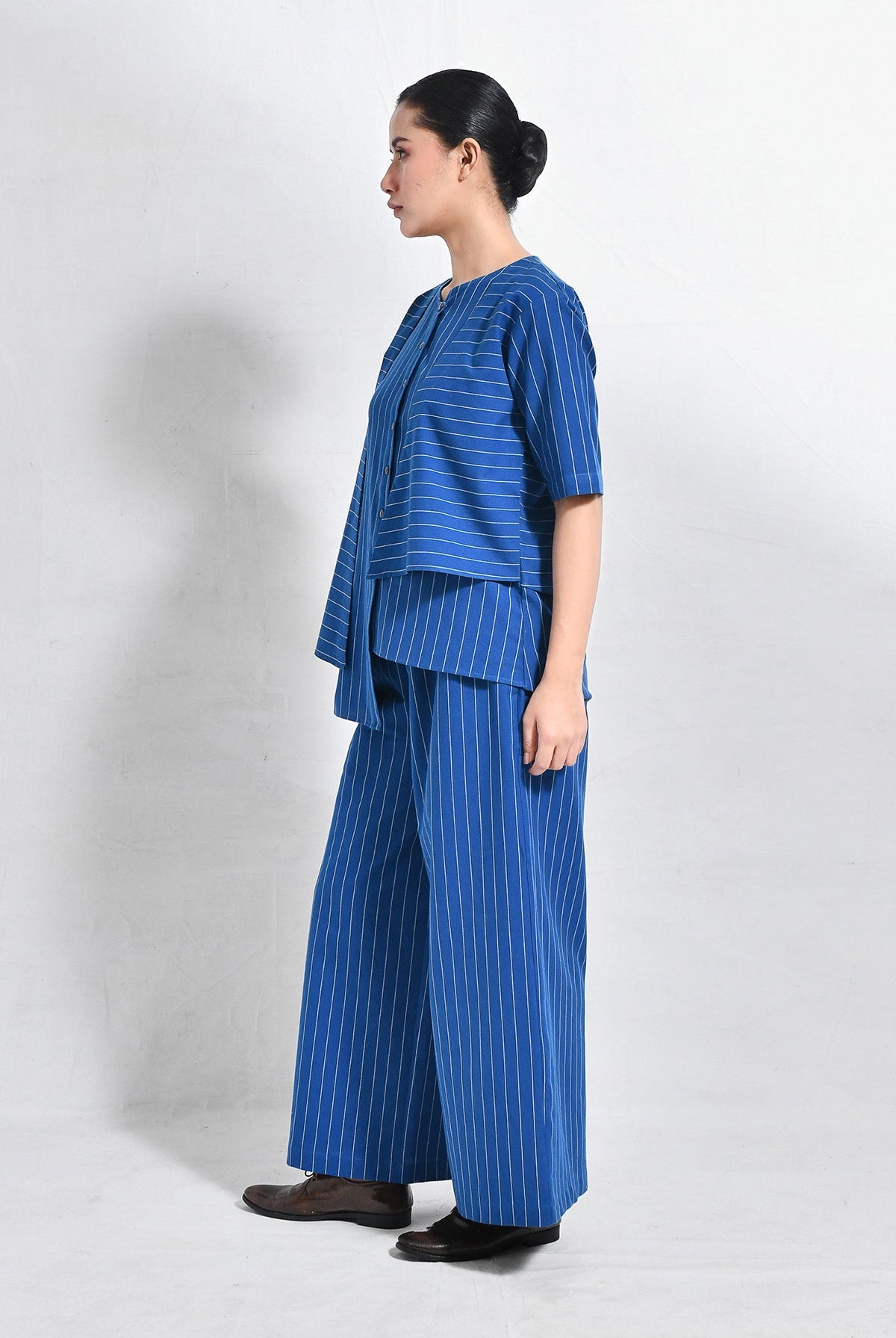
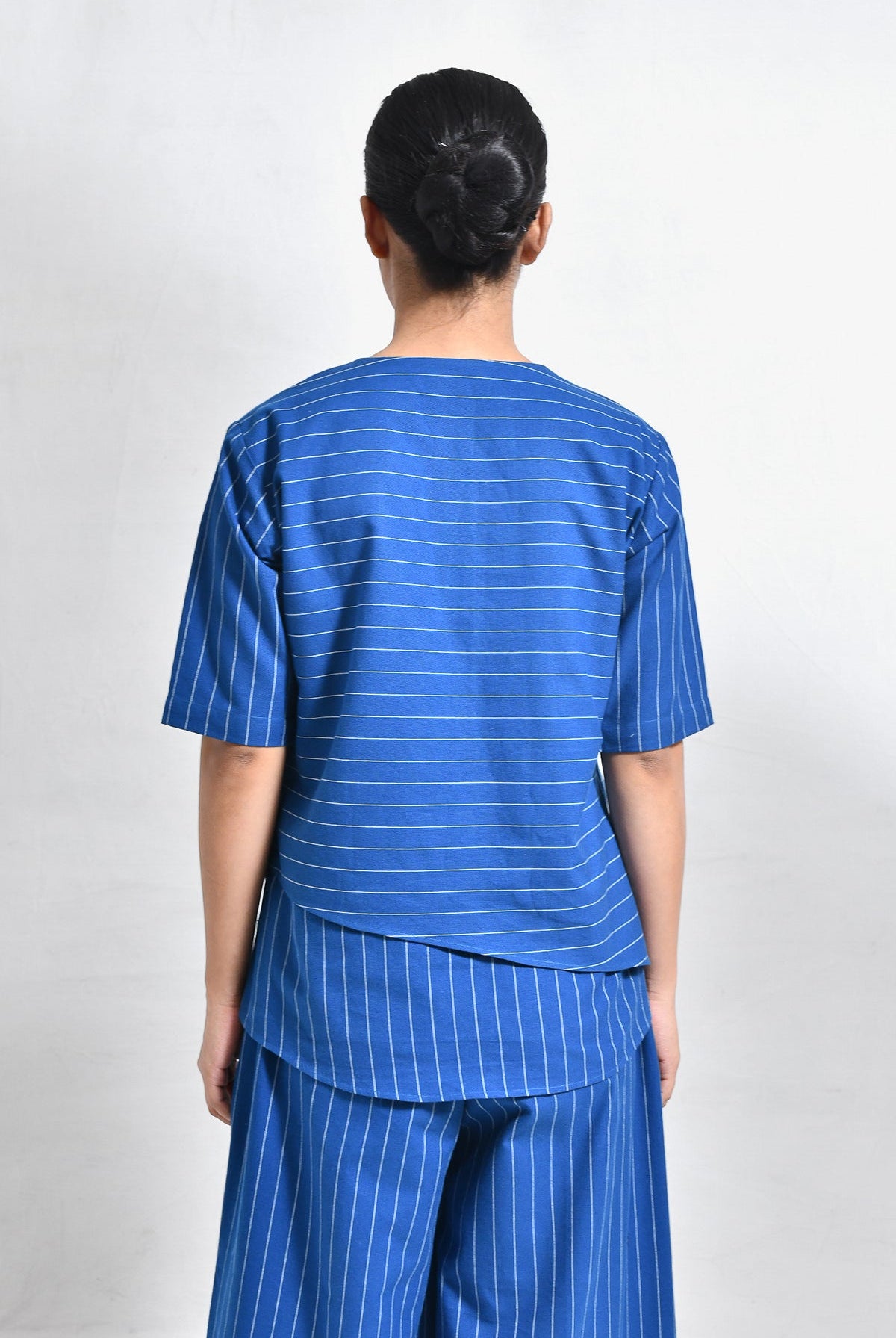
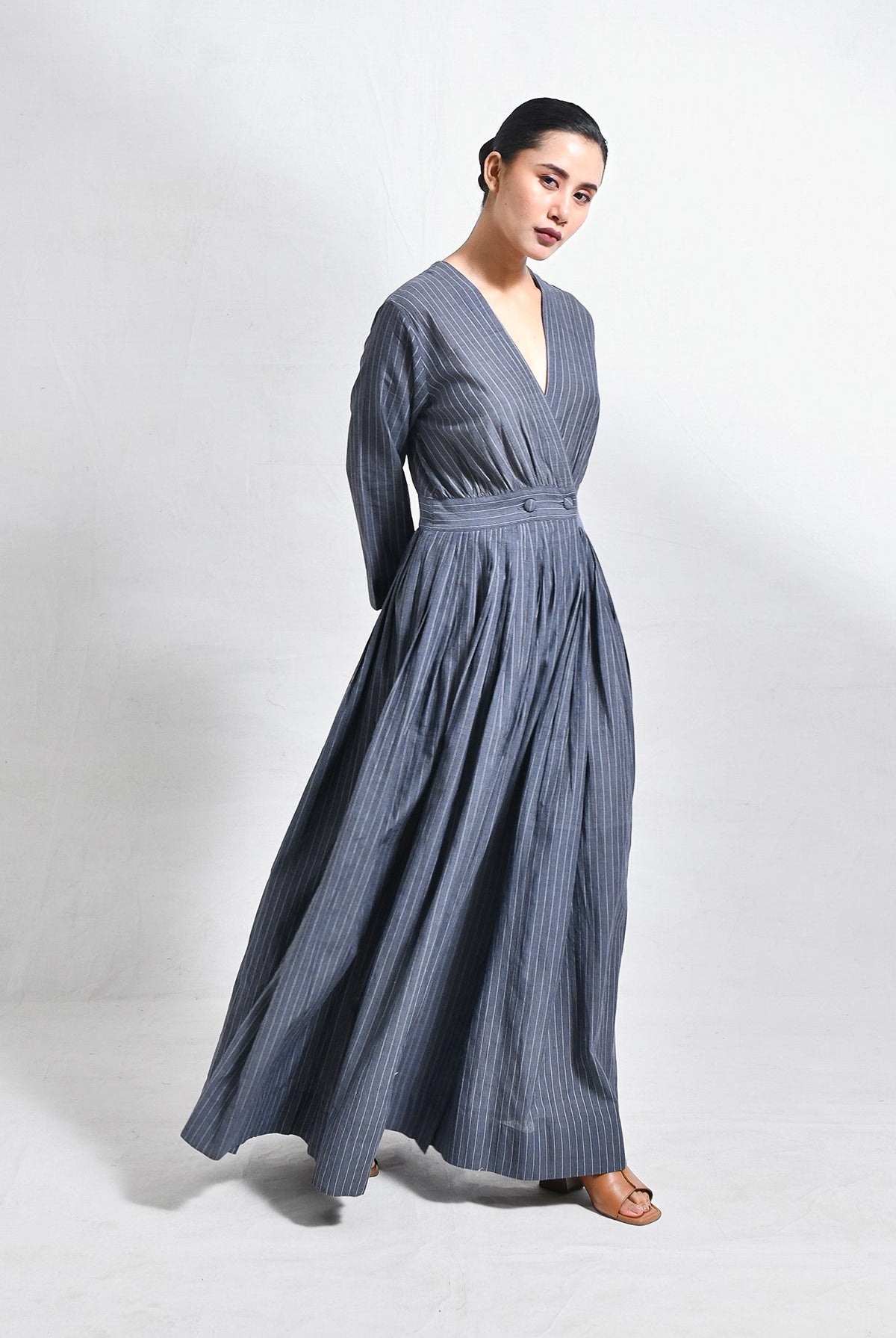
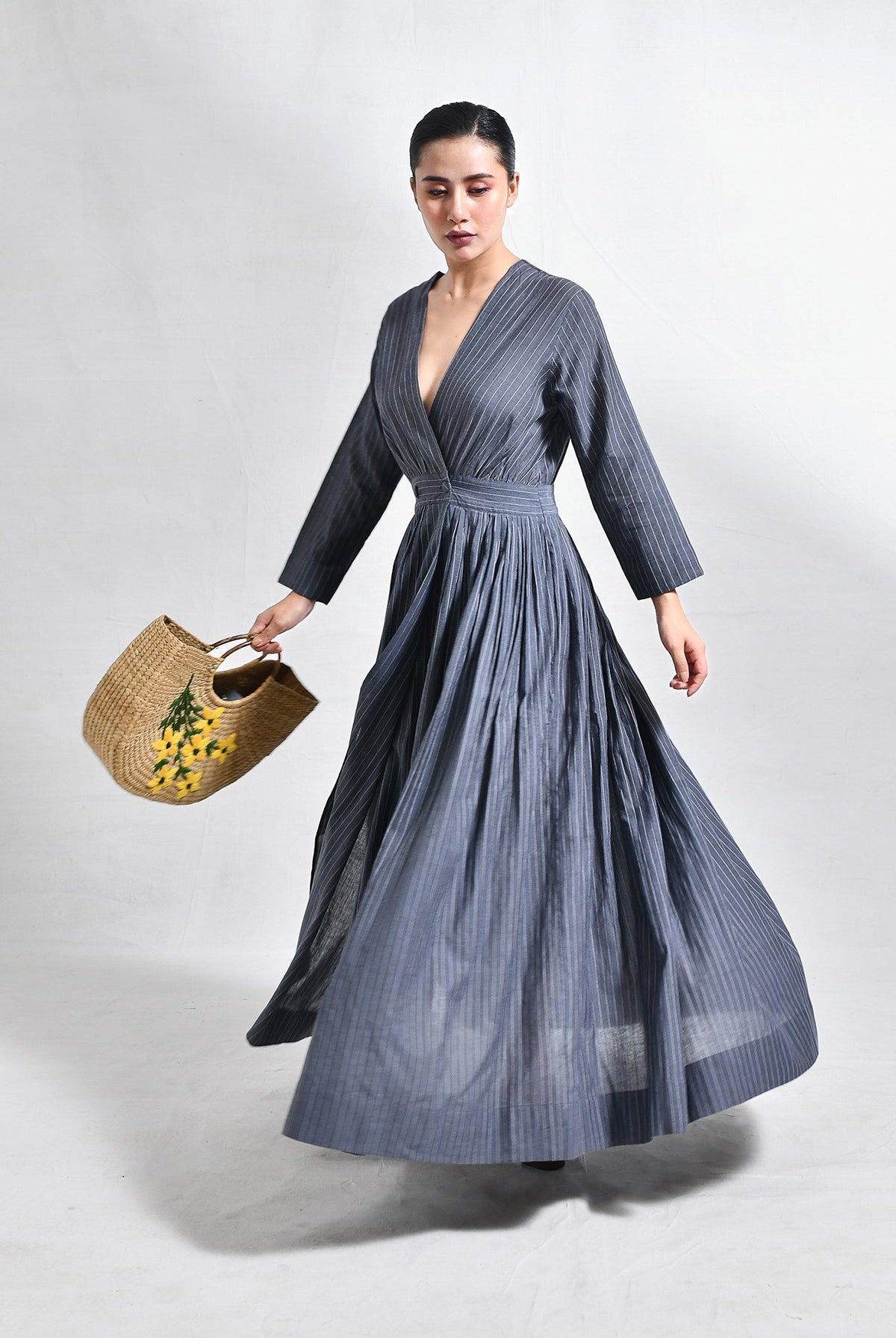
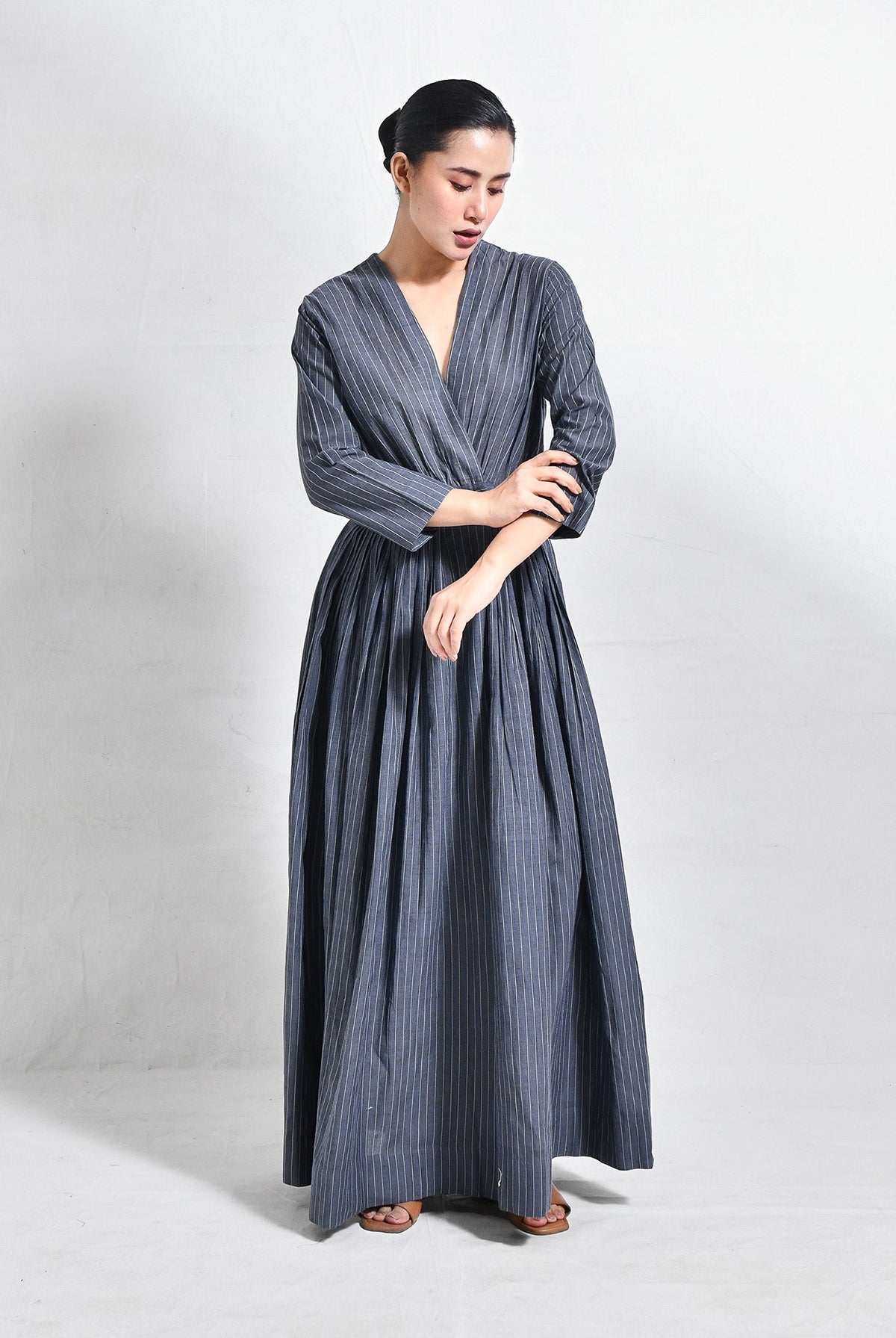
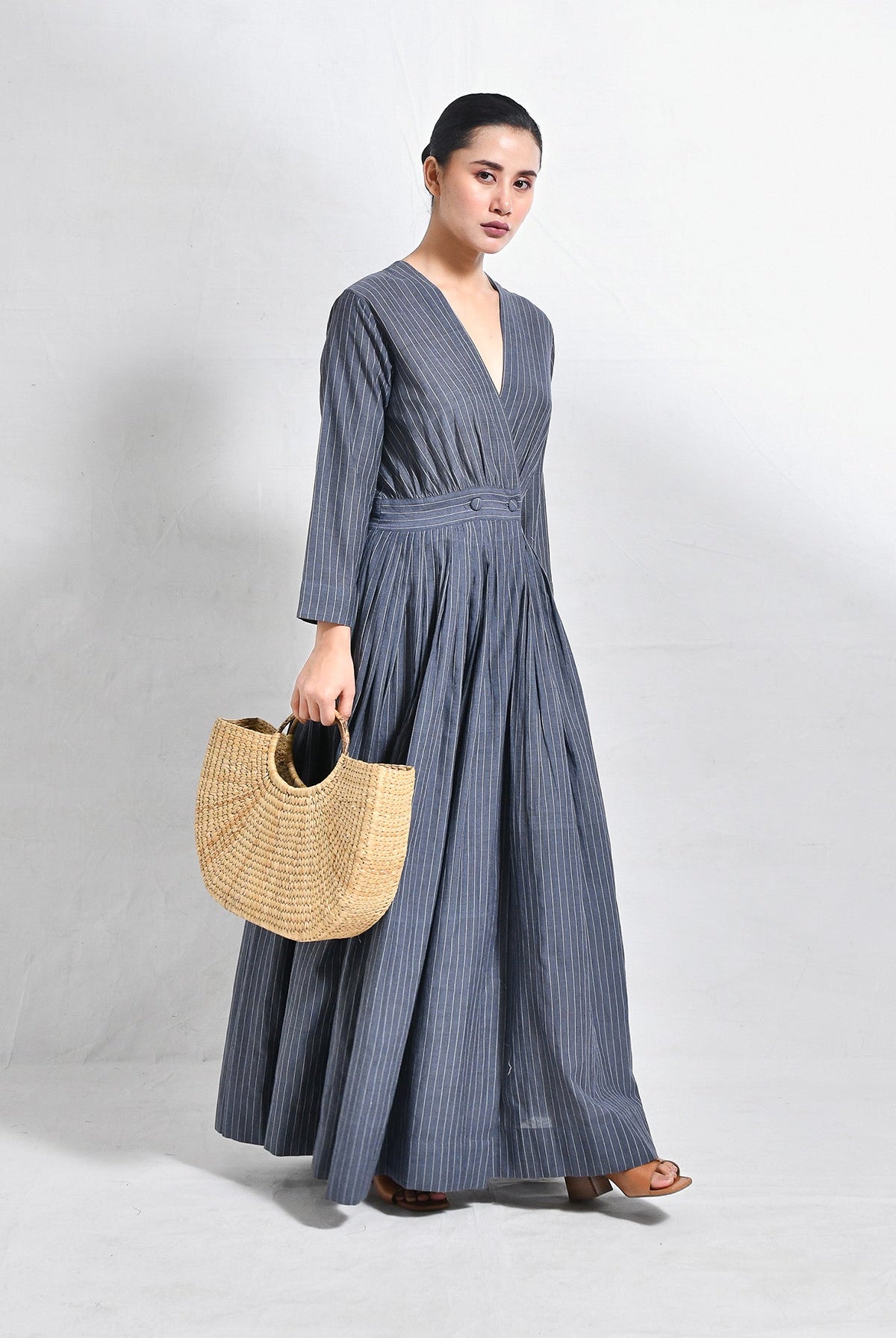
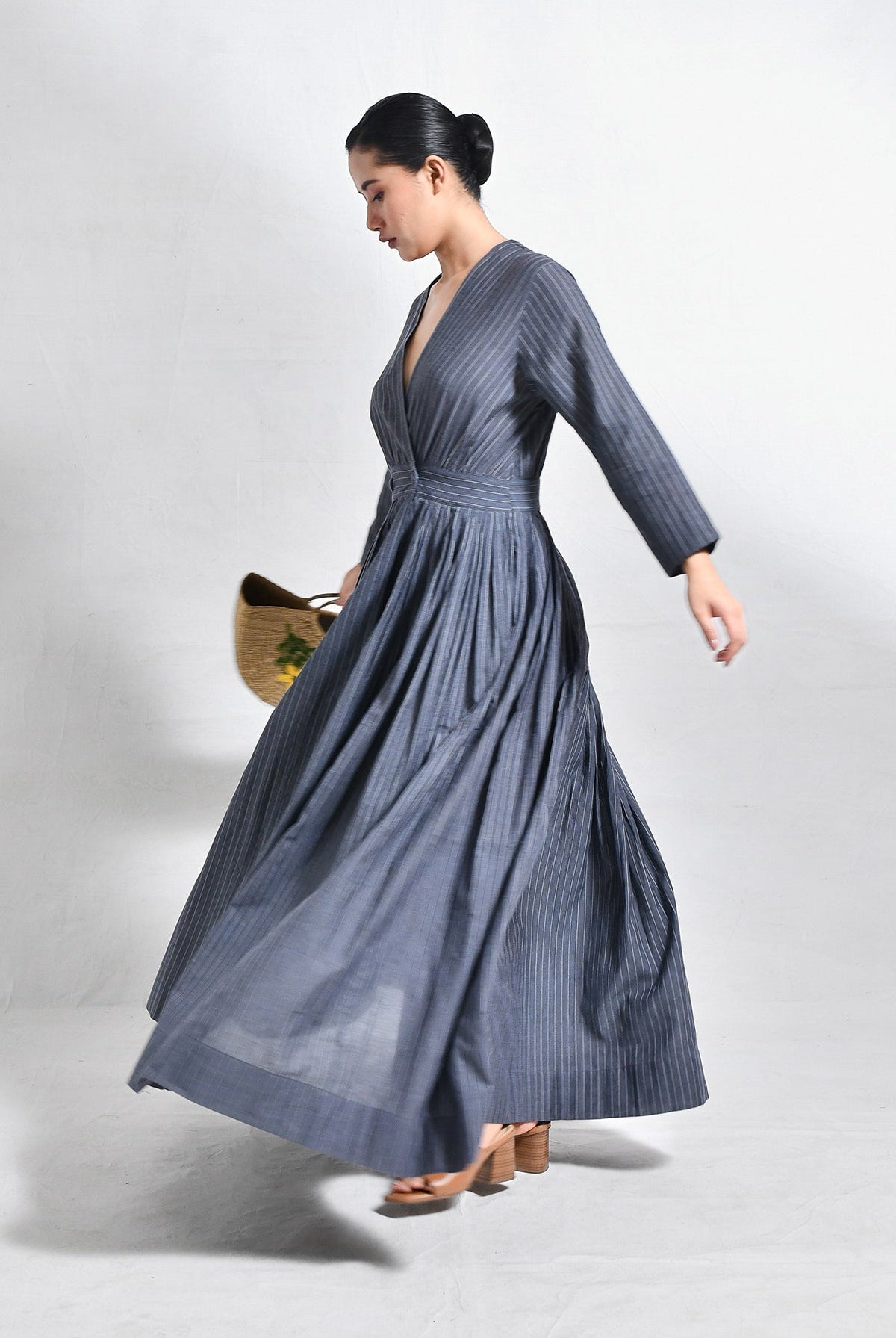
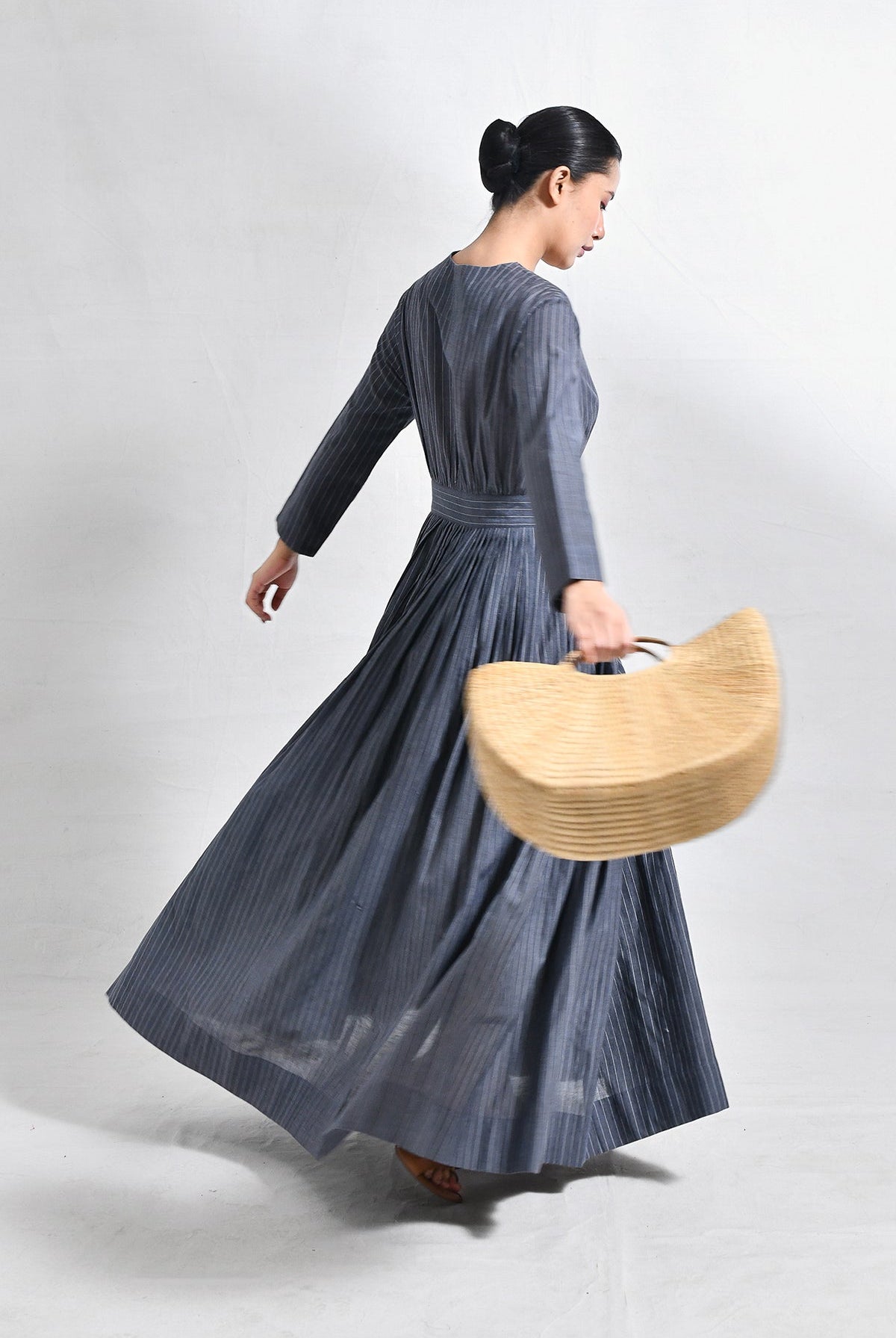
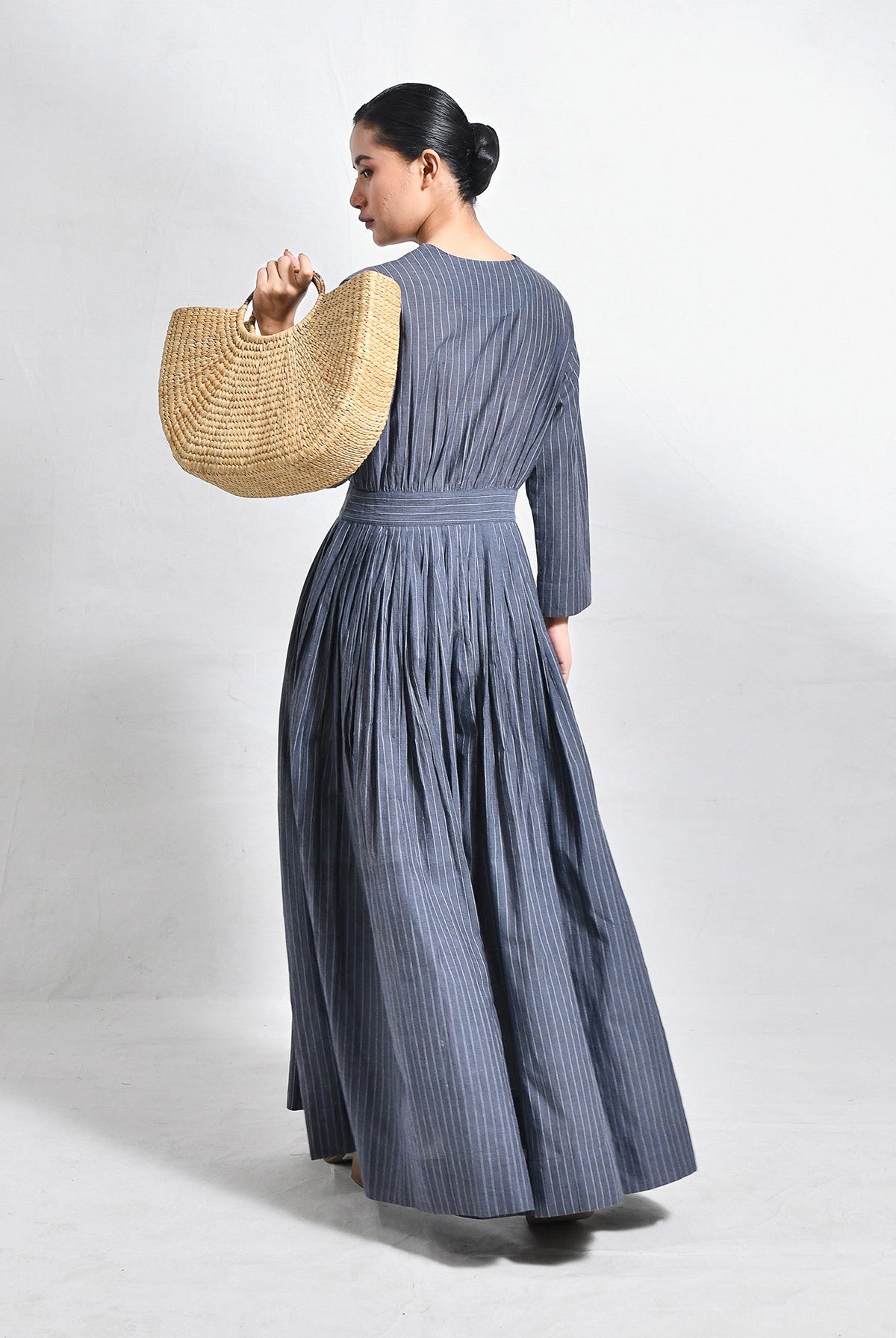
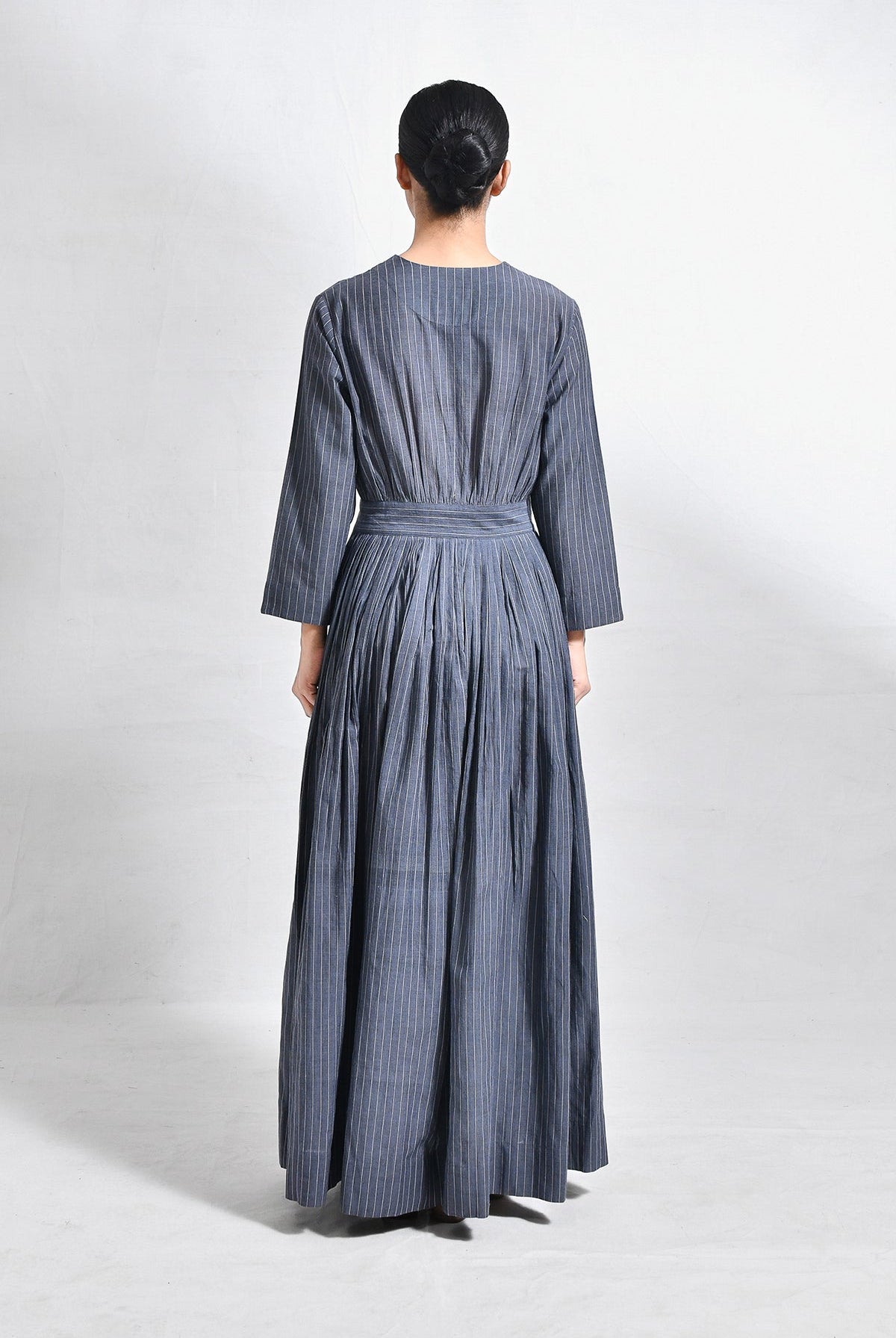
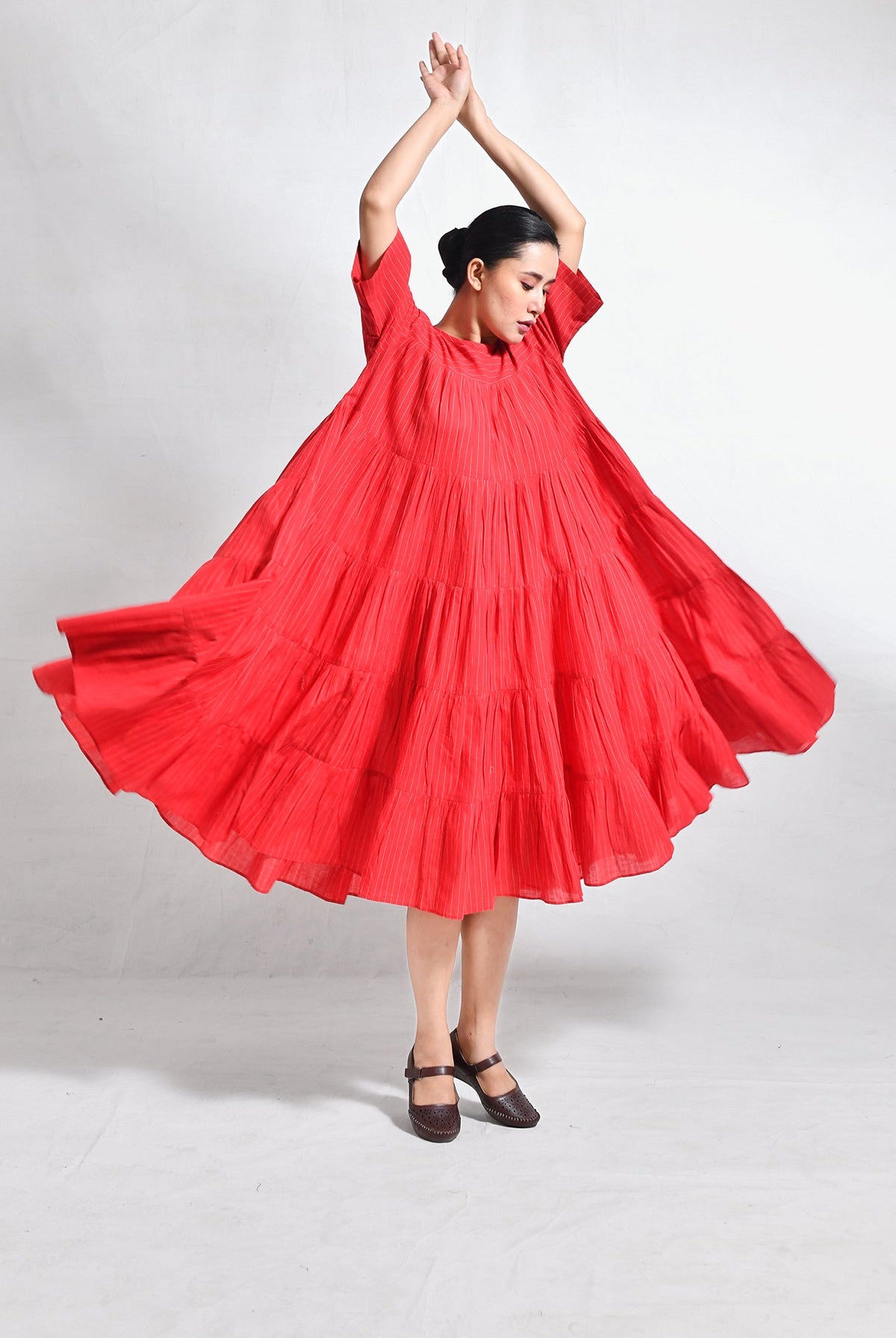
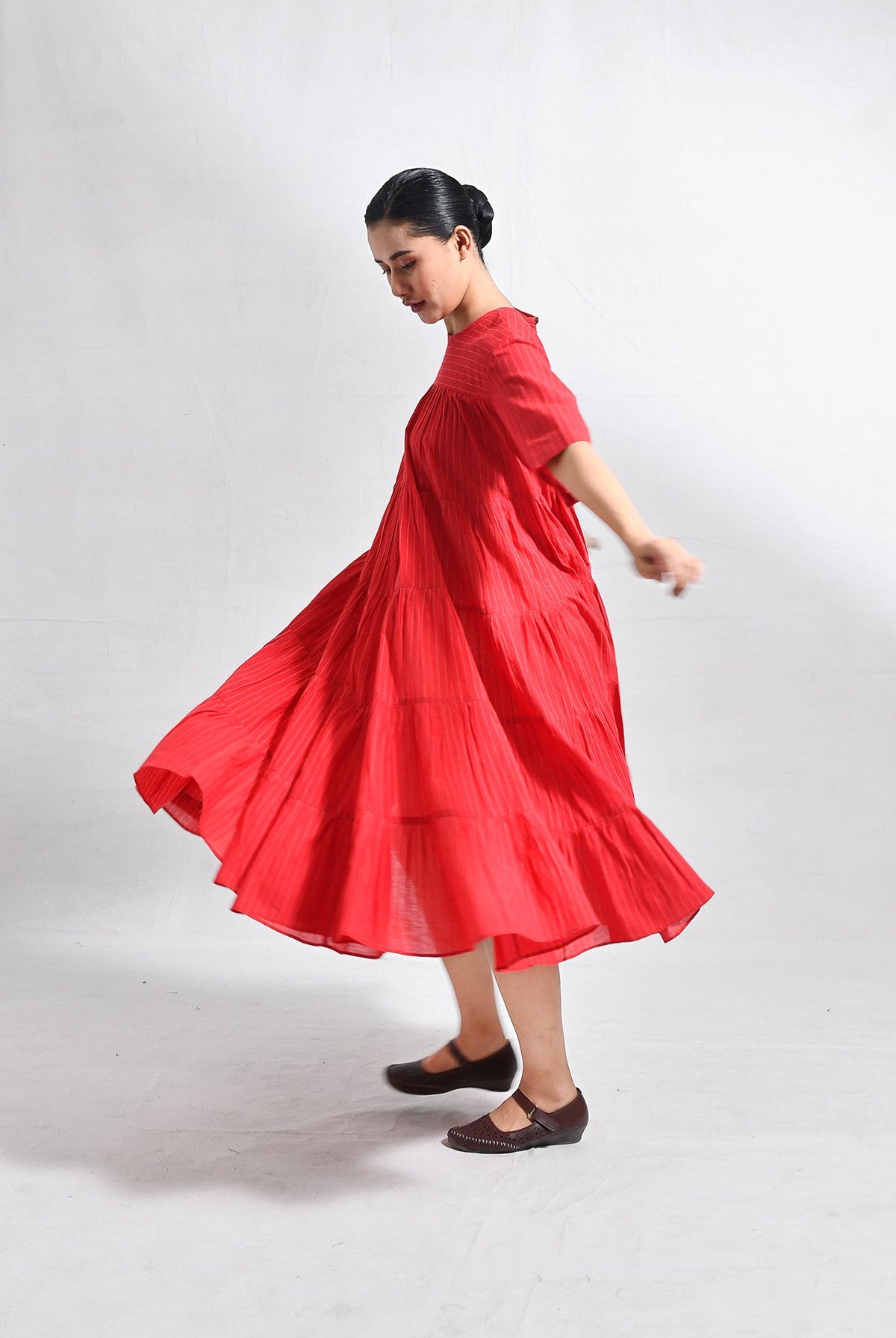
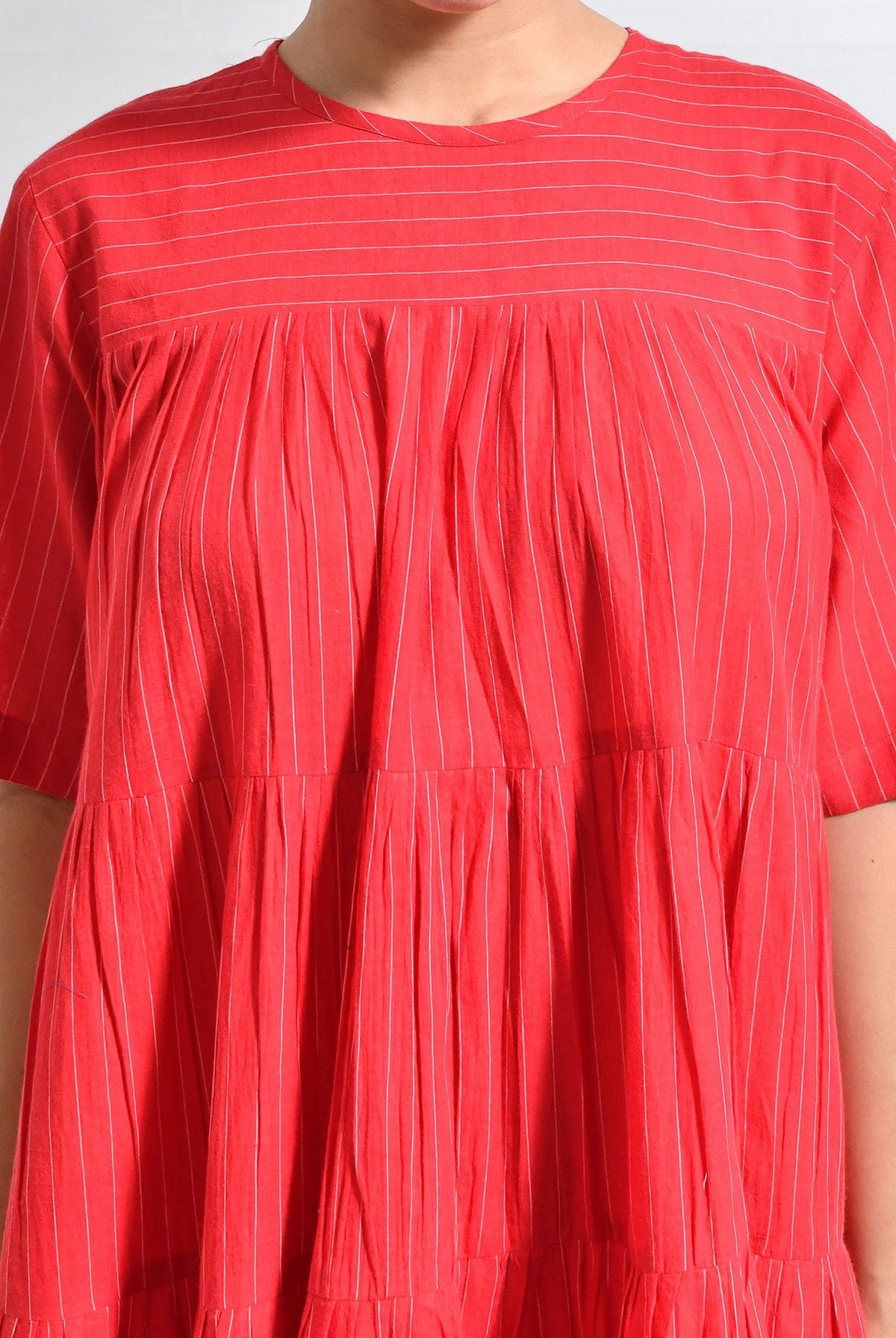
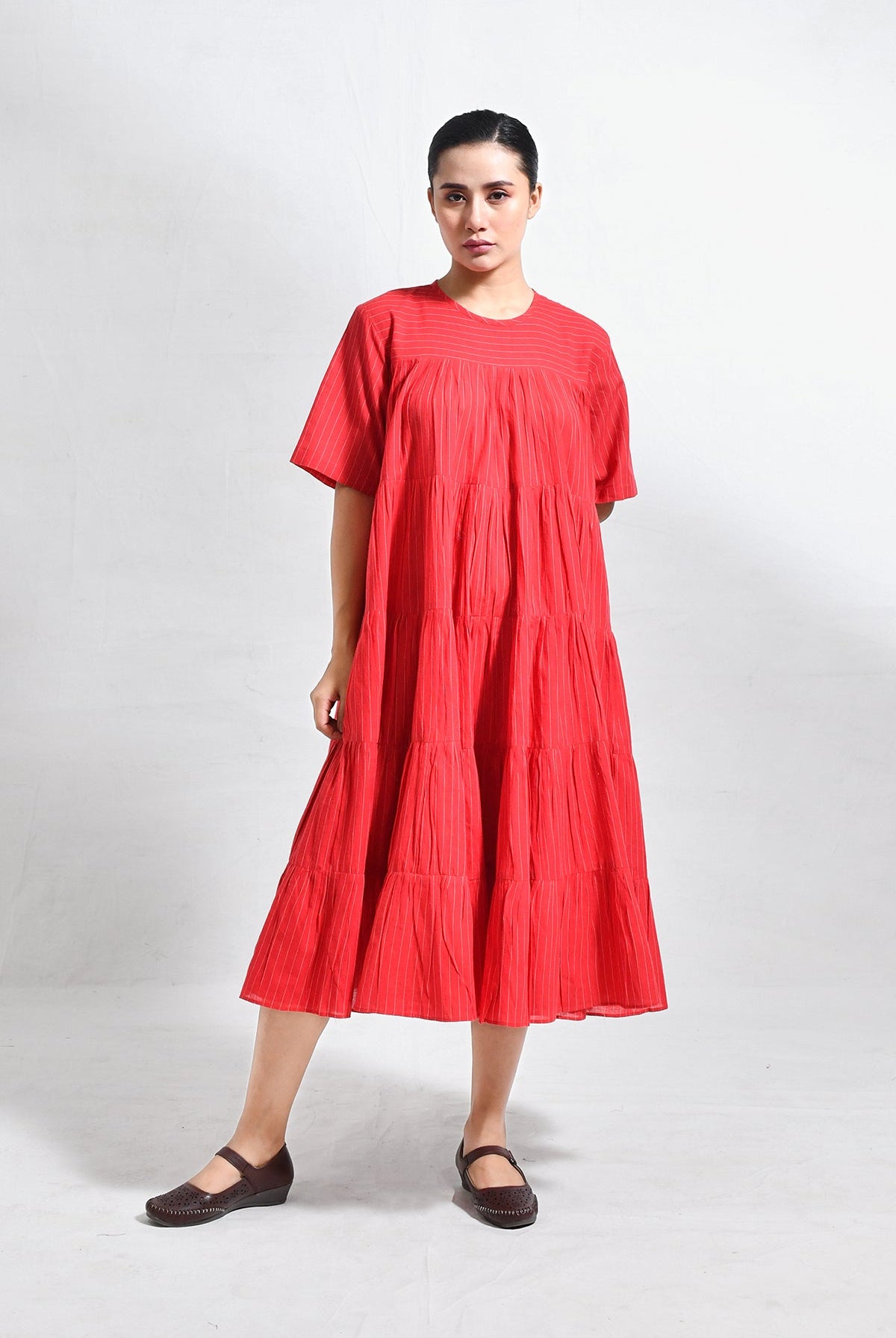
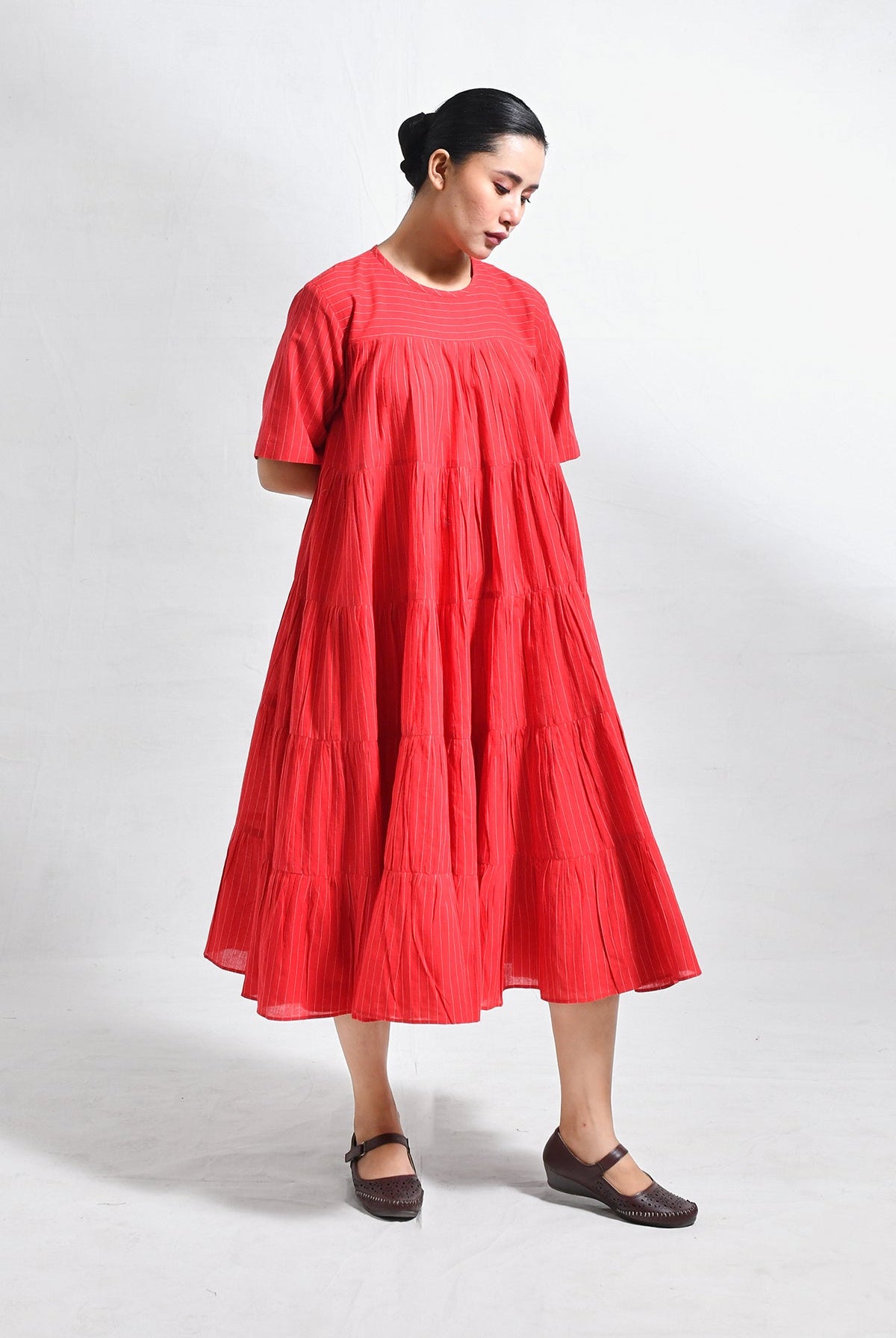
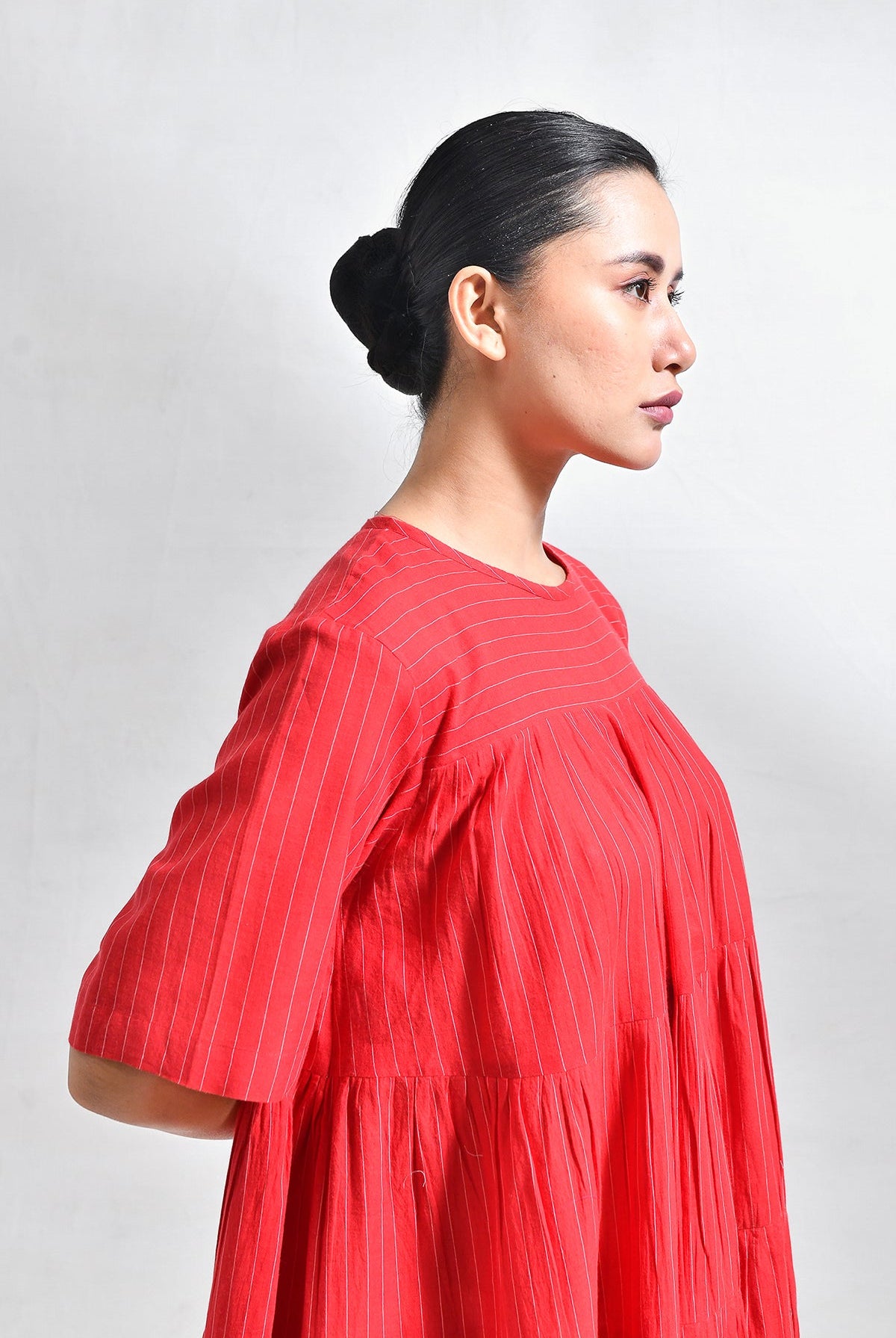
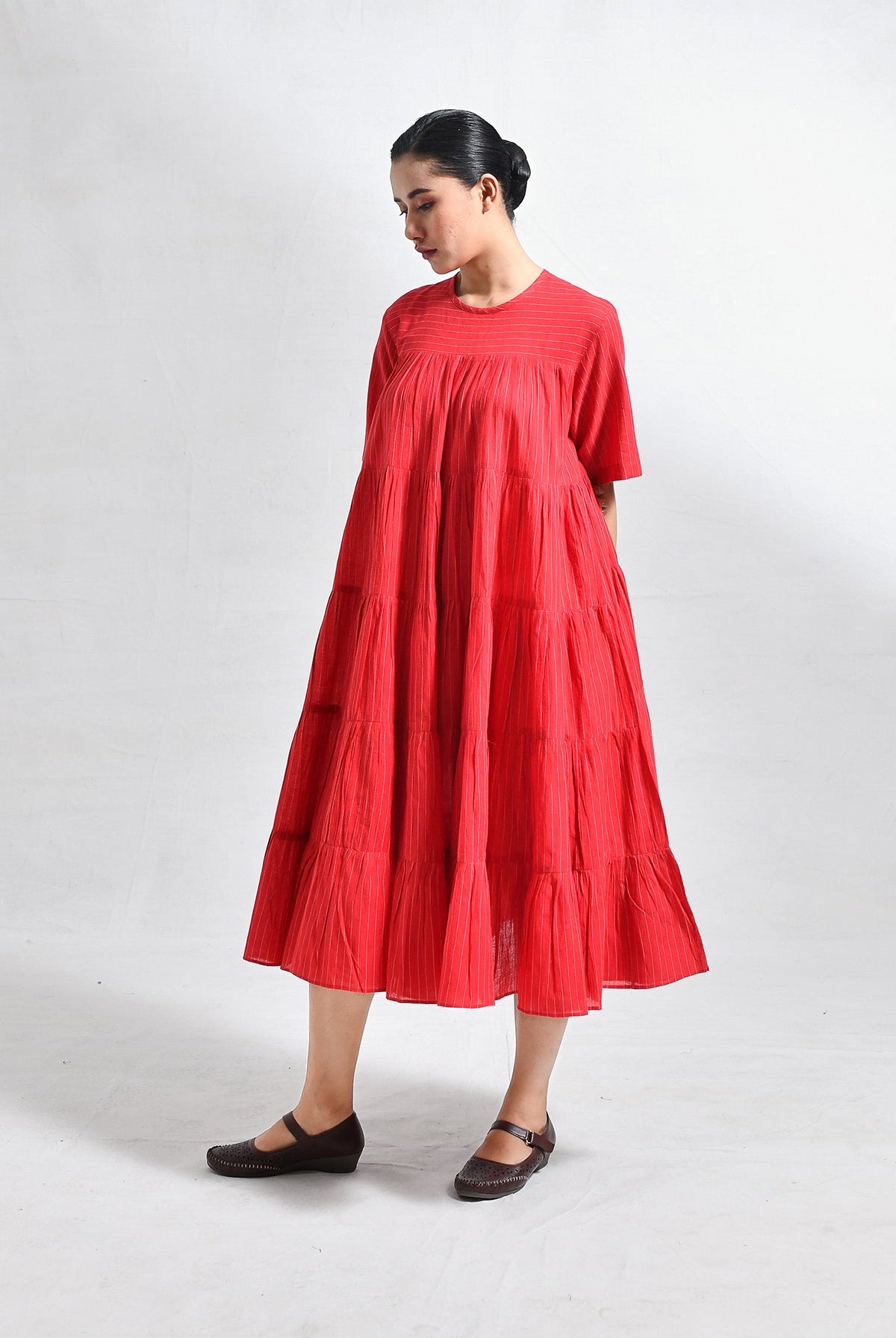
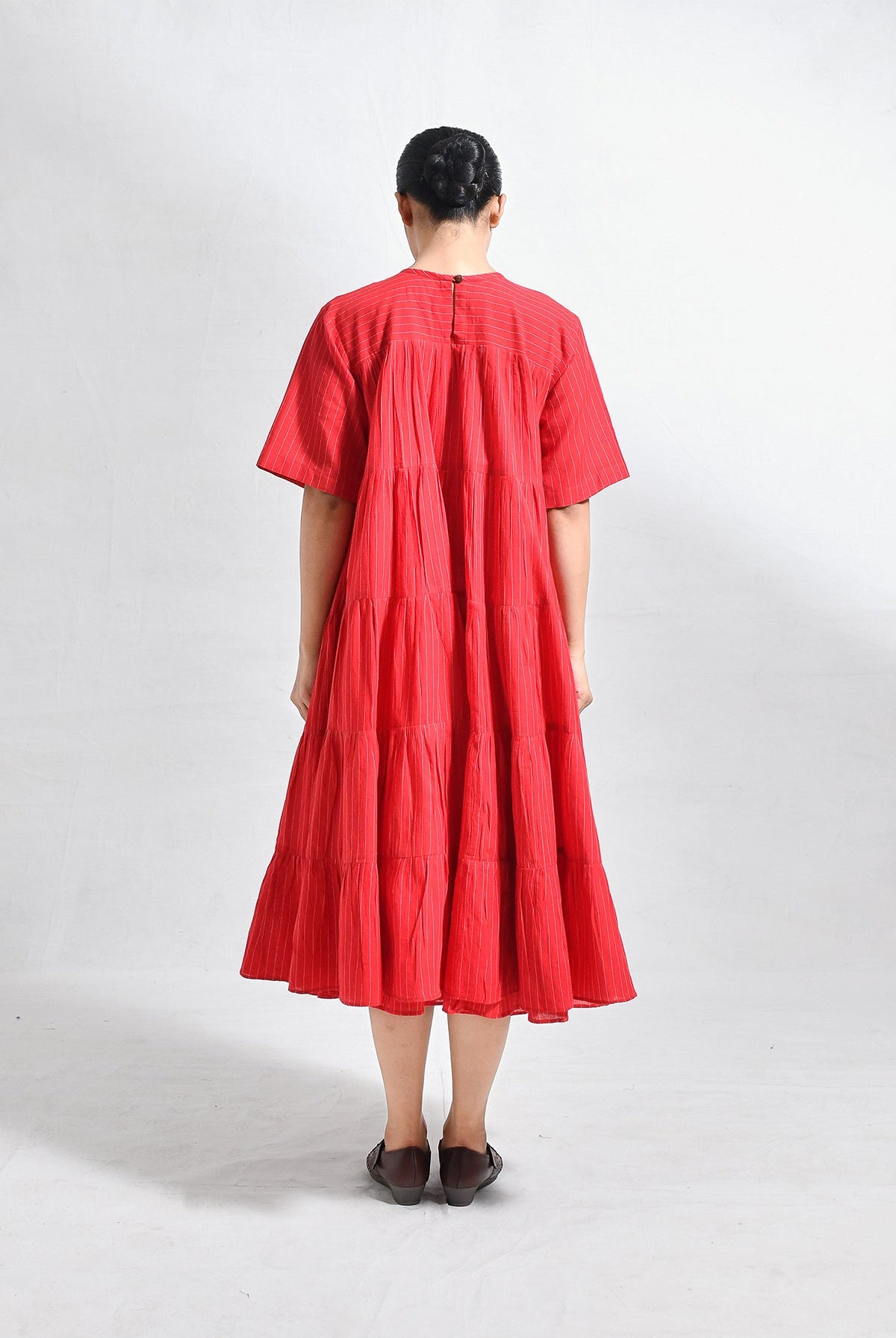
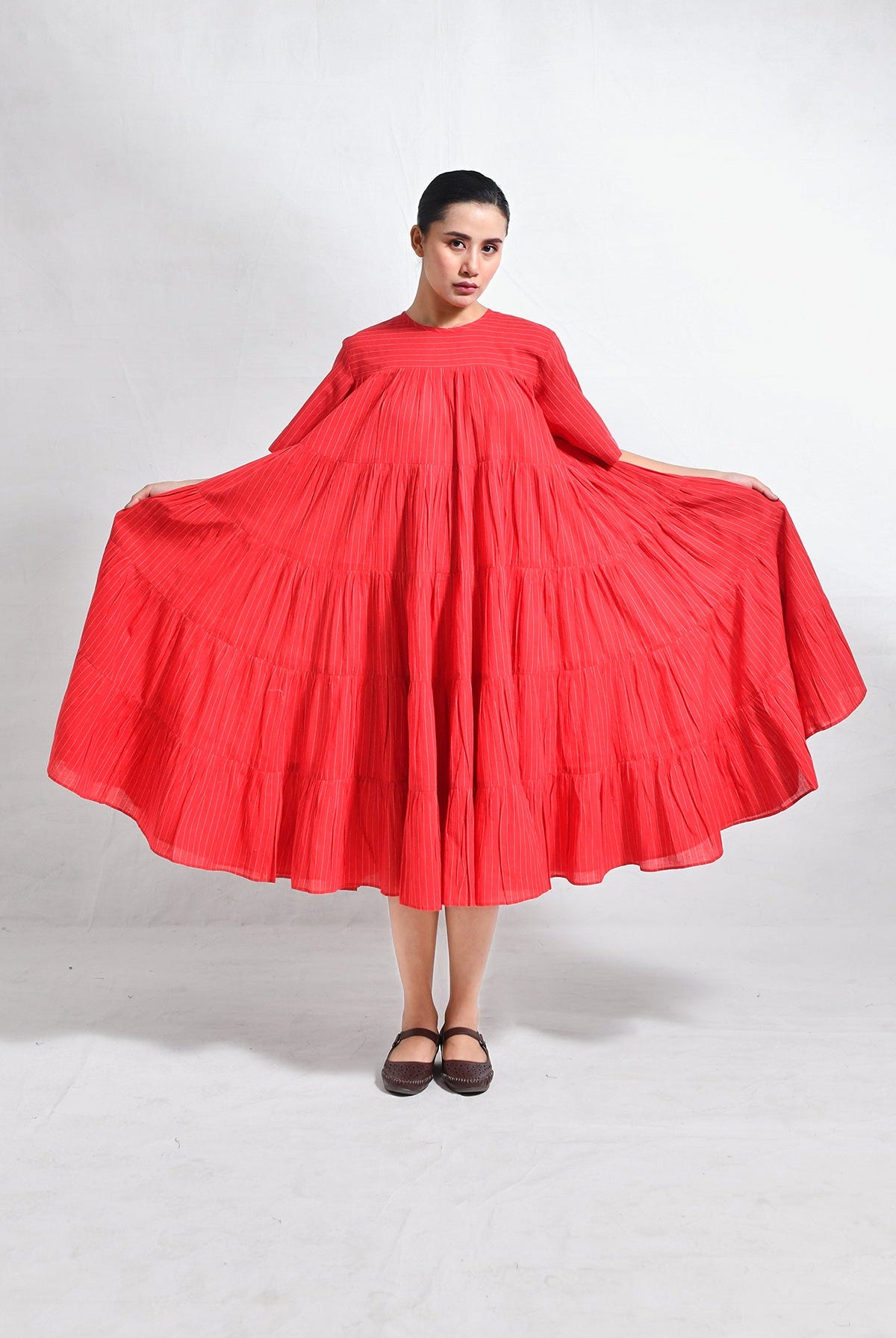
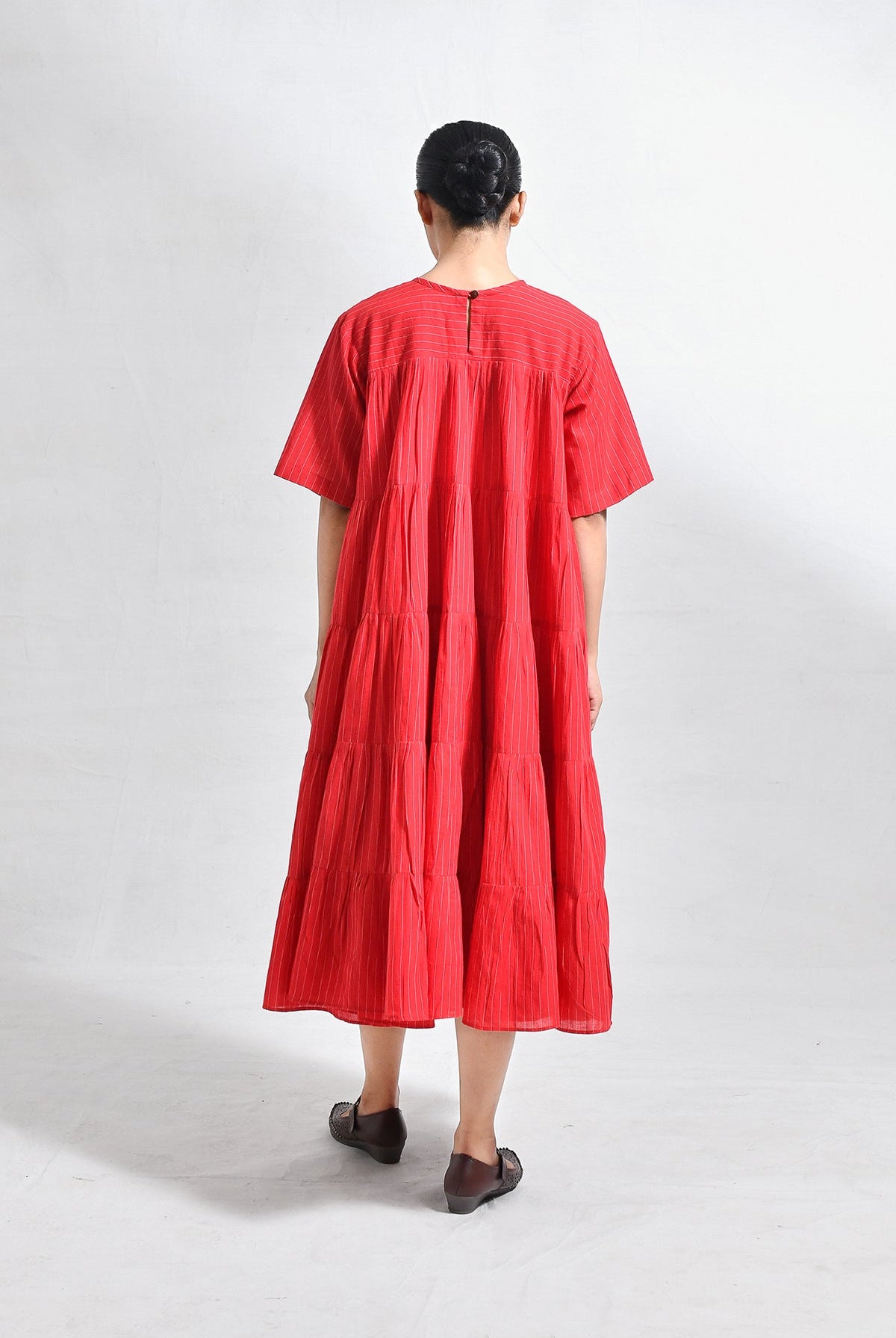
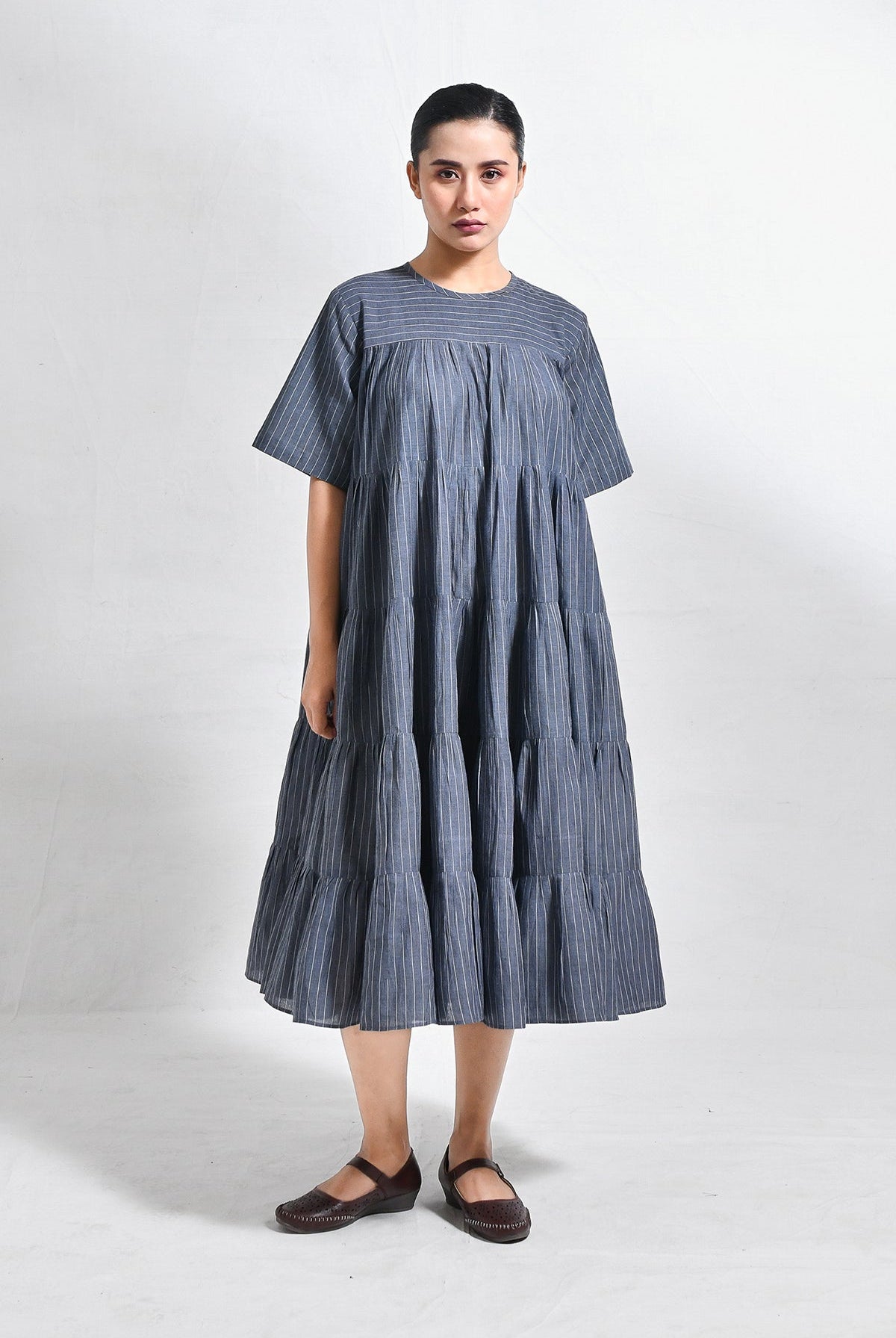
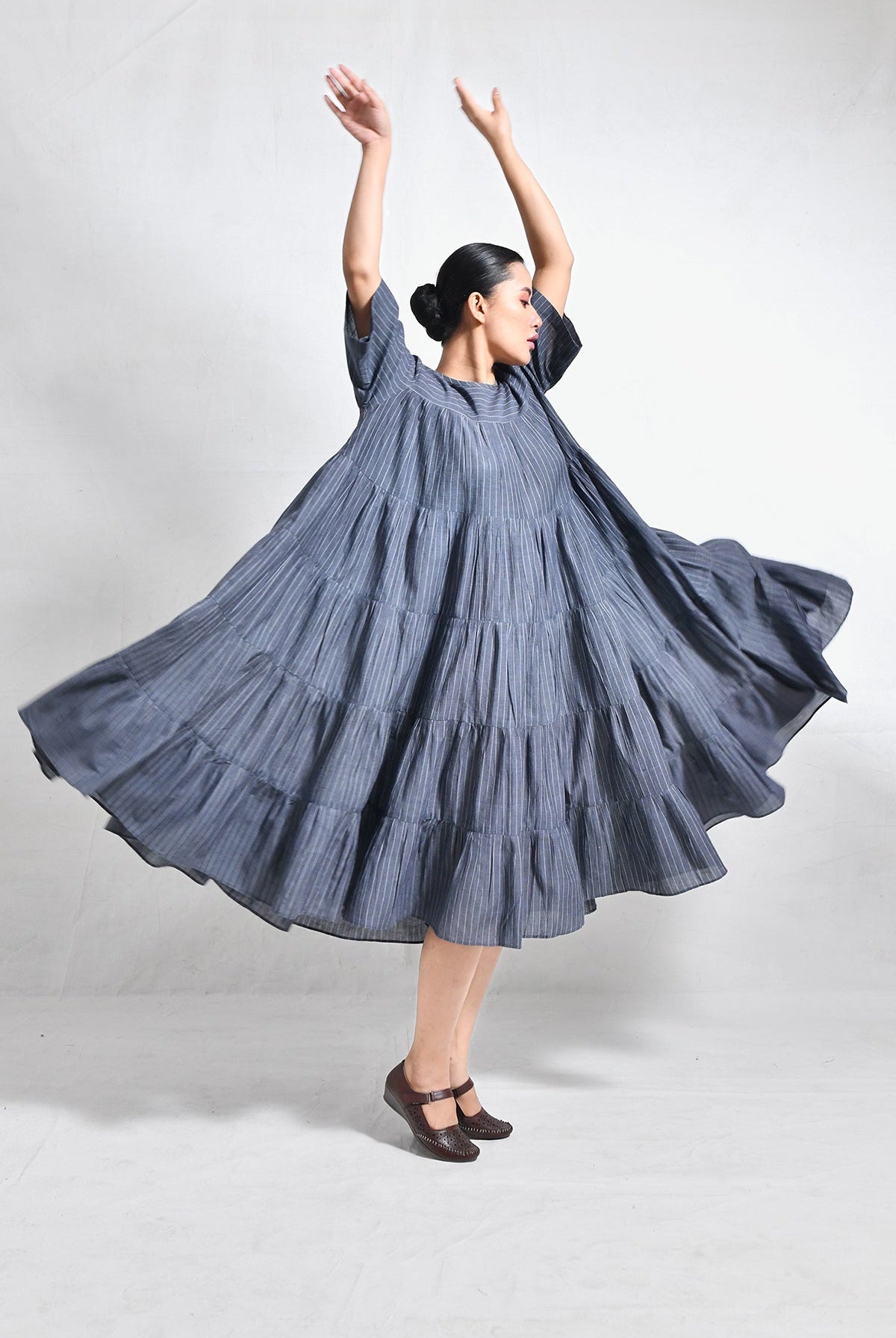
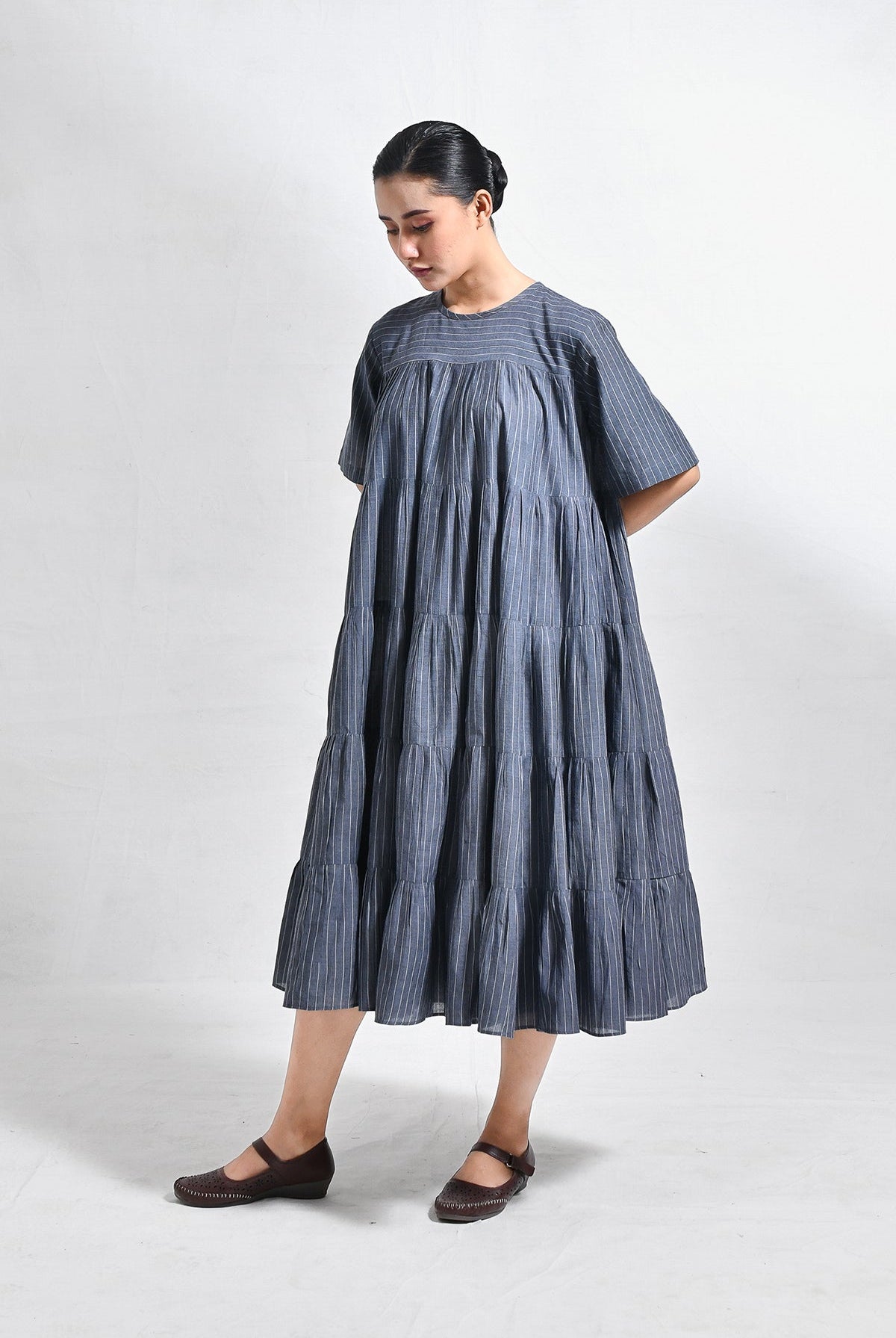
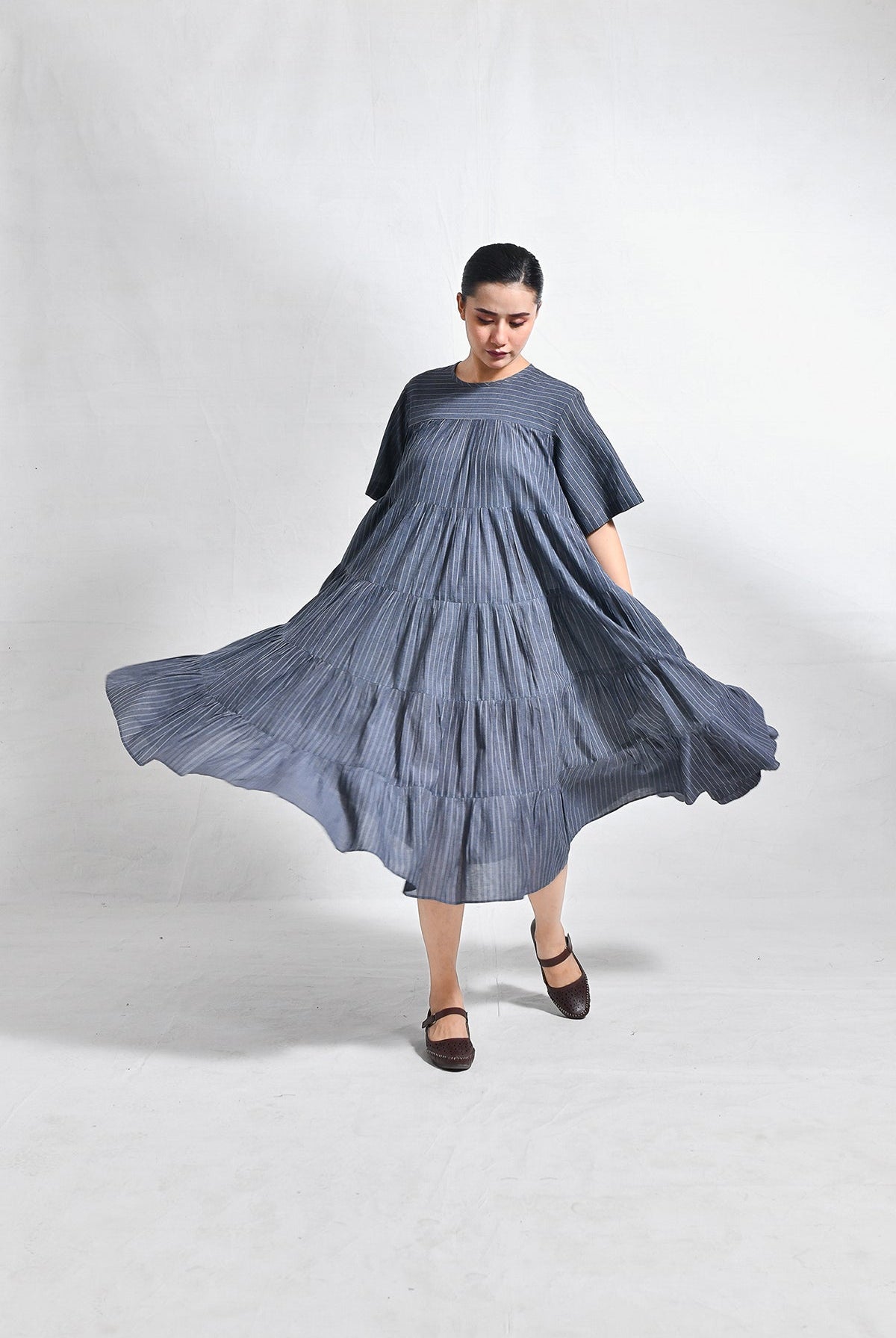
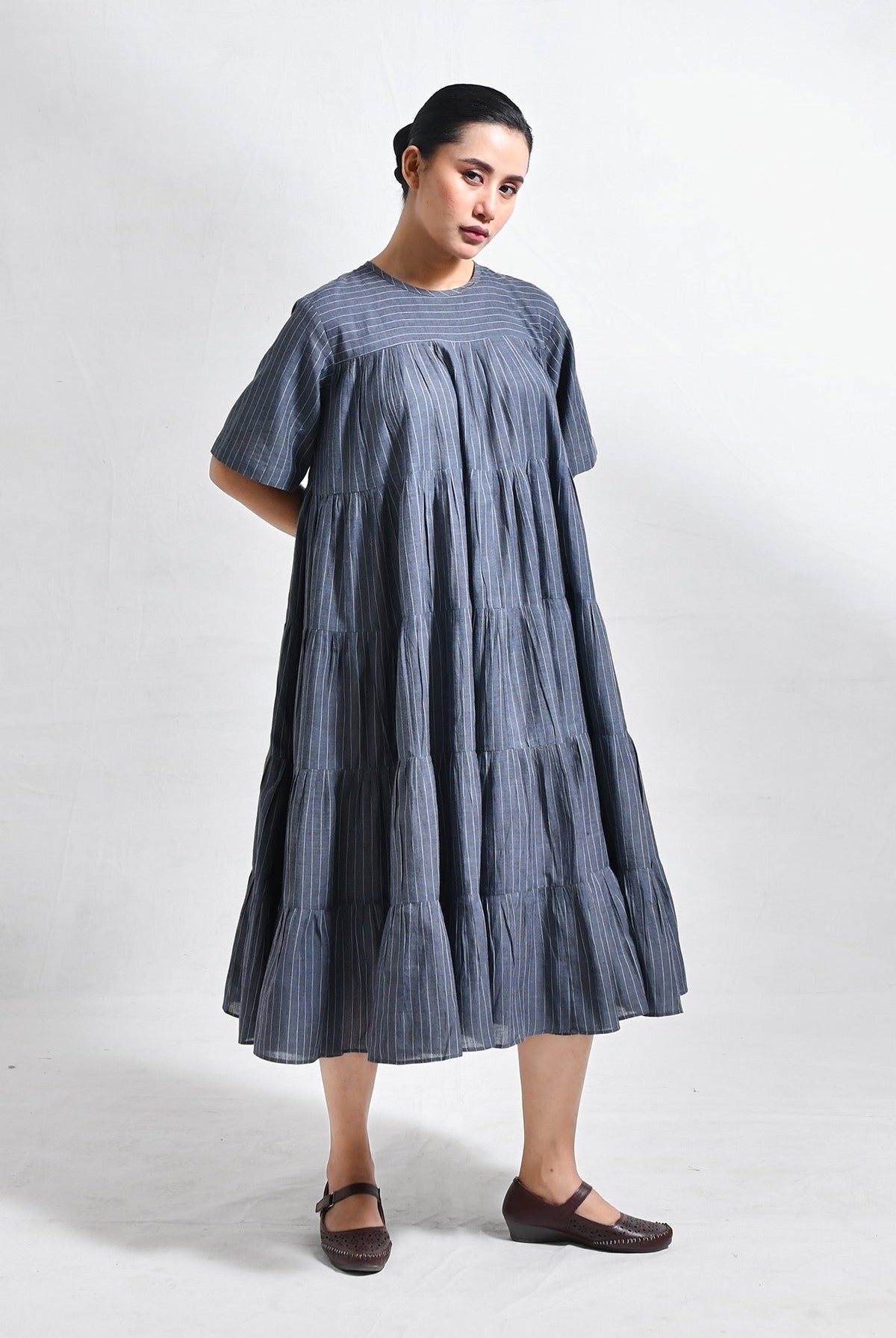
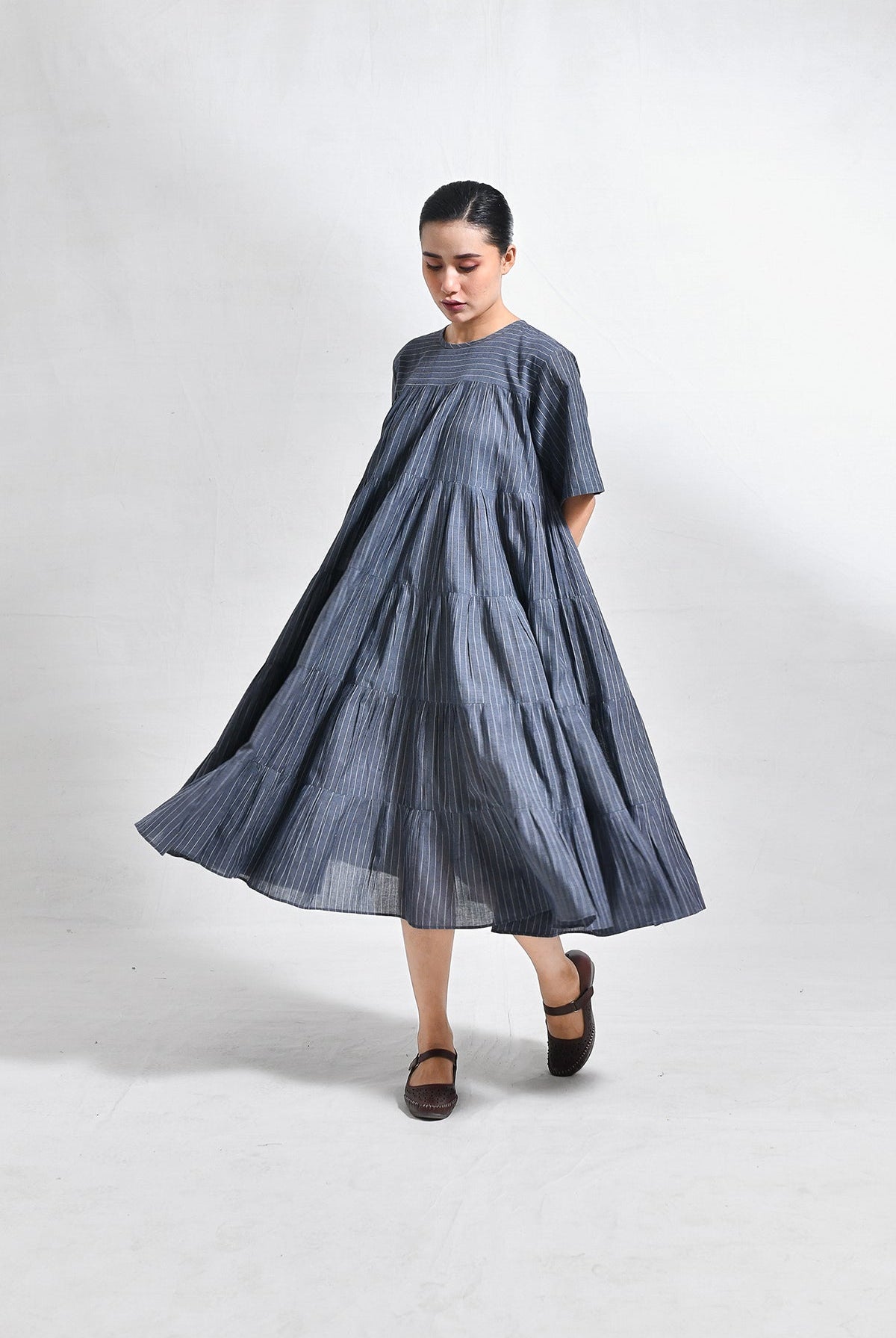
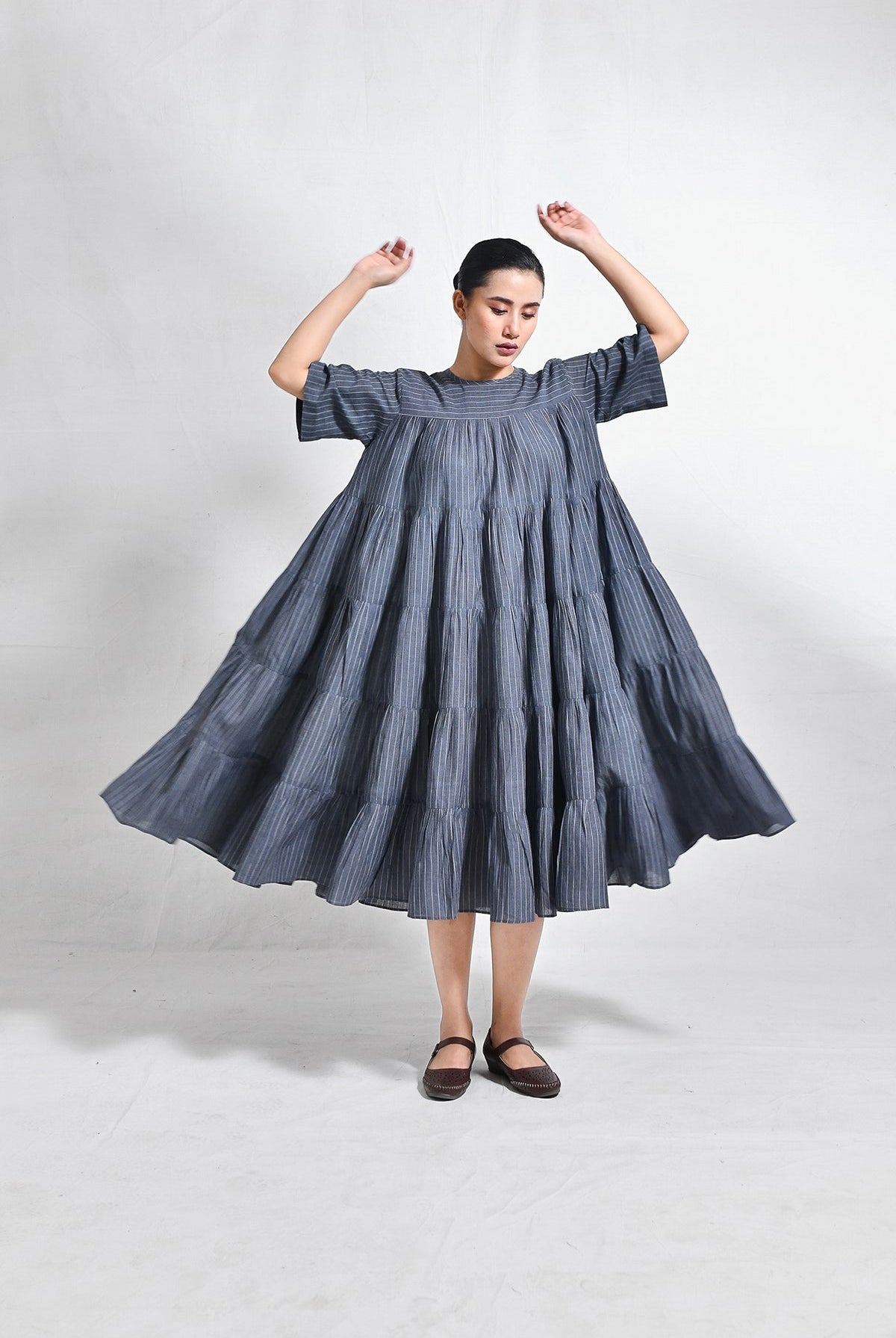
Today, khadi has moved well beyond its historical association with the freedom movement. Designers and contemporary Indian labels are reinterpreting the textile through modern silhouettes, considered tailoring, relaxed separates, saris and everyday clothing.
At Ciceroni, discover a curated selection of khadi clothing and textiles from independent Indian designers—where the character of handwoven cloth meets contemporary Indian design.
From its slightly uneven texture to its breathable, tactile surface, khadi celebrates the beauty of imperfection and the skill behind handmade textiles. It is a fabric with history, but one that continues to find relevance in a contemporary wardrobe.
Why is khadi significant?
Khadi became an important part of India's Swadeshi movement, particularly through Mahatma Gandhi's advocacy of hand-spinning and handweaving. For Gandhi, wearing khadi was connected to economic self-reliance, rural employment and respect for manual labour.
Today, its relevance extends to conversations around Indian craftsmanship, decentralised production, textile heritage and more conscious consumption.
What makes khadi different from regular cotton?
Khadi refers to cloth made from yarn that is hand-spun and then handwoven. Cotton is a fibre, while khadi describes a method of making fabric. Therefore, not all cotton fabric is khadi.
How does khadi feel?
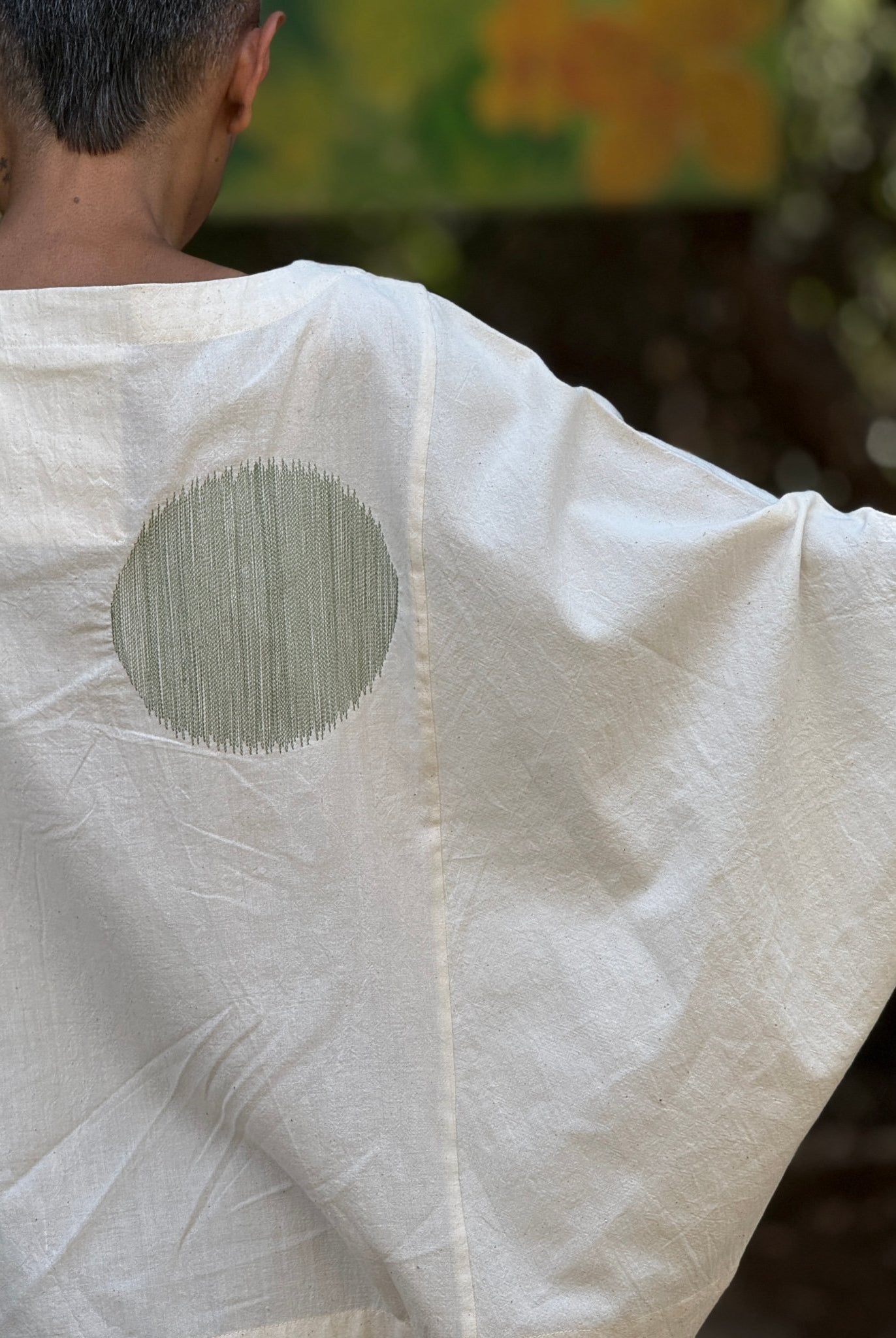
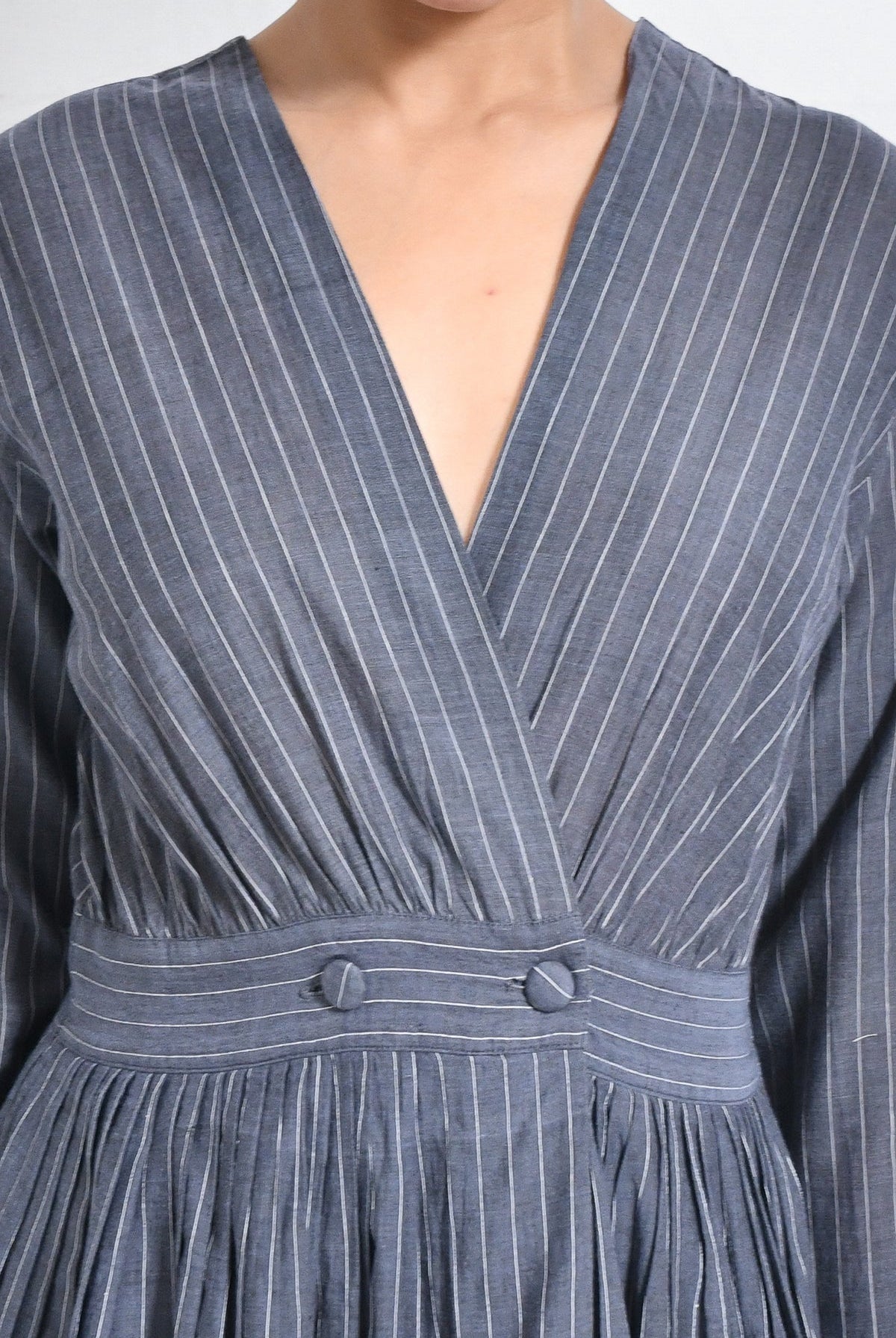
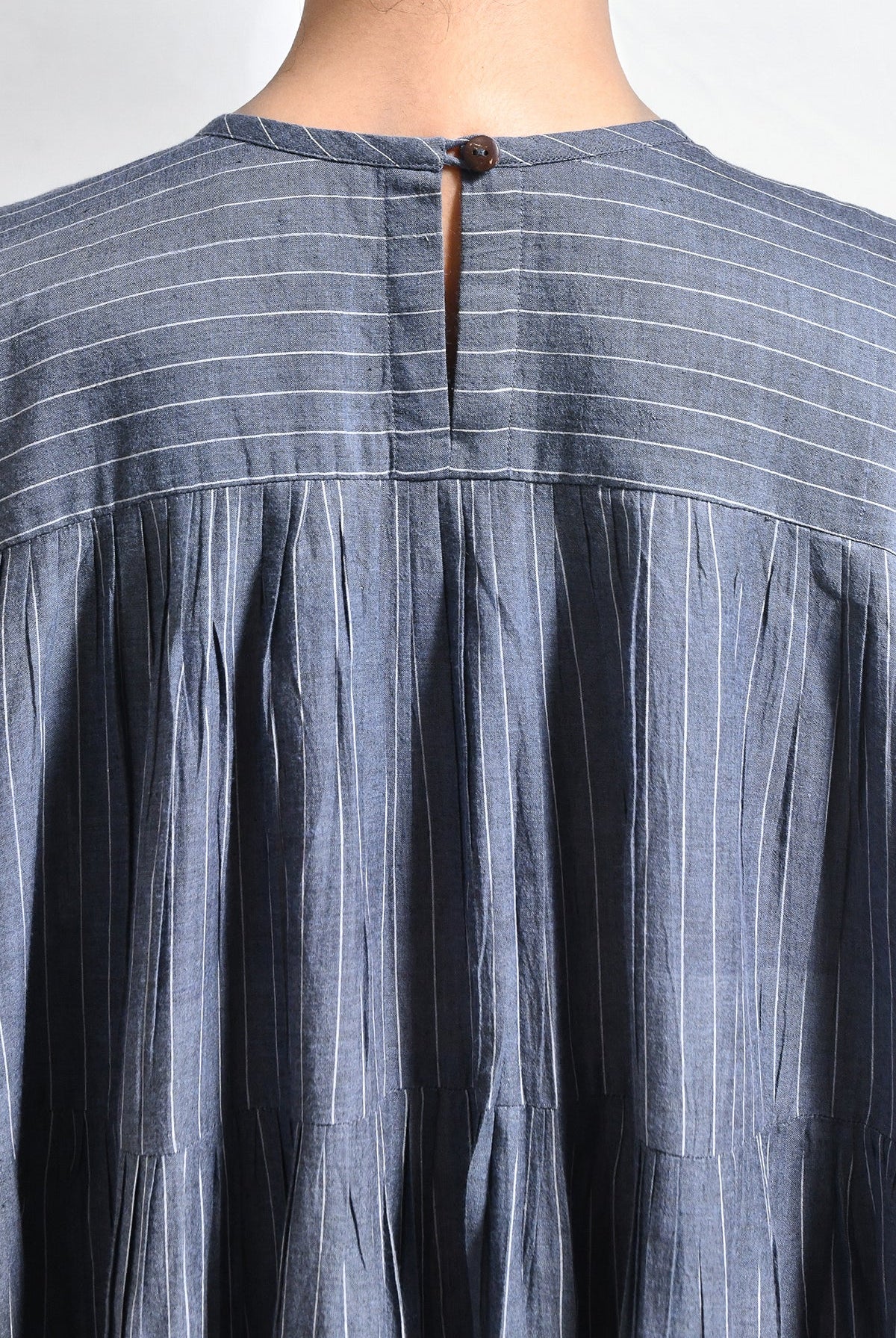
Khadi is known for its breathable, lightweight and textured character. Because the yarn is hand-spun, the fabric can have subtle variations in thickness and texture—part of what gives genuine khadi its distinctive appearance.
How can you wear khadi today?
Khadi works beautifully beyond traditional silhouettes. Look for contemporary shirts, dresses, trousers, jackets, saris and relaxed separates that allow the natural texture of the fabric to take centre stage. Its understated character makes it equally suited to everyday dressing and more considered occasions.
Why choose khadi?
For those interested in Indian textiles, khadi offers a connection between craft, history and contemporary design. It carries the story of India's handmade textile traditions while remaining versatile enough for a modern wardrobe.
Explore Ciceroni's curated collection of khadi from independent Indian designers and discover handwoven Indian textiles interpreted for today.